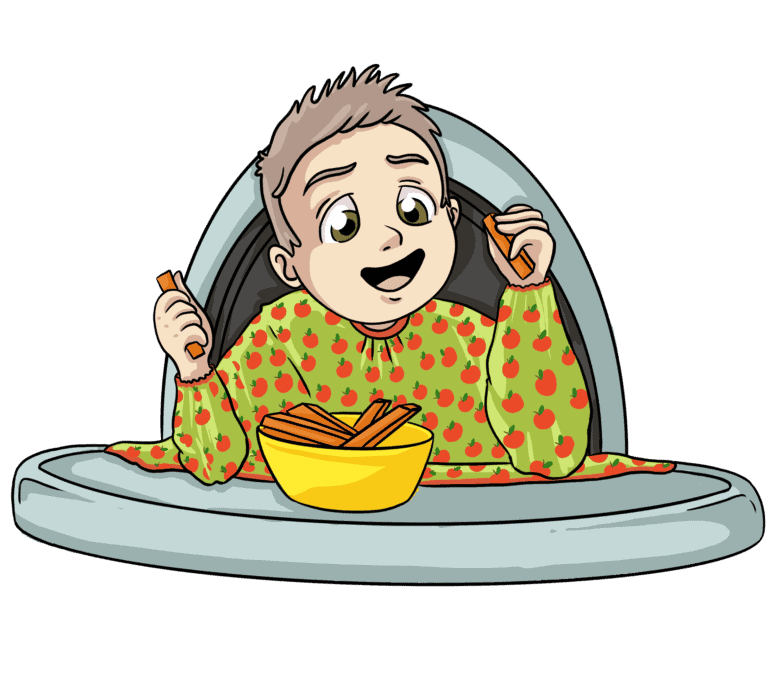
Just yesterday, it was a complete success. Baby would hold out his hands, open his mouth wide, and seem to be enjoying himself. And today? A flat refusal. He looks at the food, pushes it away, sometimes throws it, or doesn't even touch it.
And at that moment, many parents ask themselves exactly the same question:
👉 “But he loved it yesterday… what’s going on?”
Breathe 💛 Because this behavior is very common in babies and, in the majority of cases, it is totally normal.
Baby's tastes are constantly changing
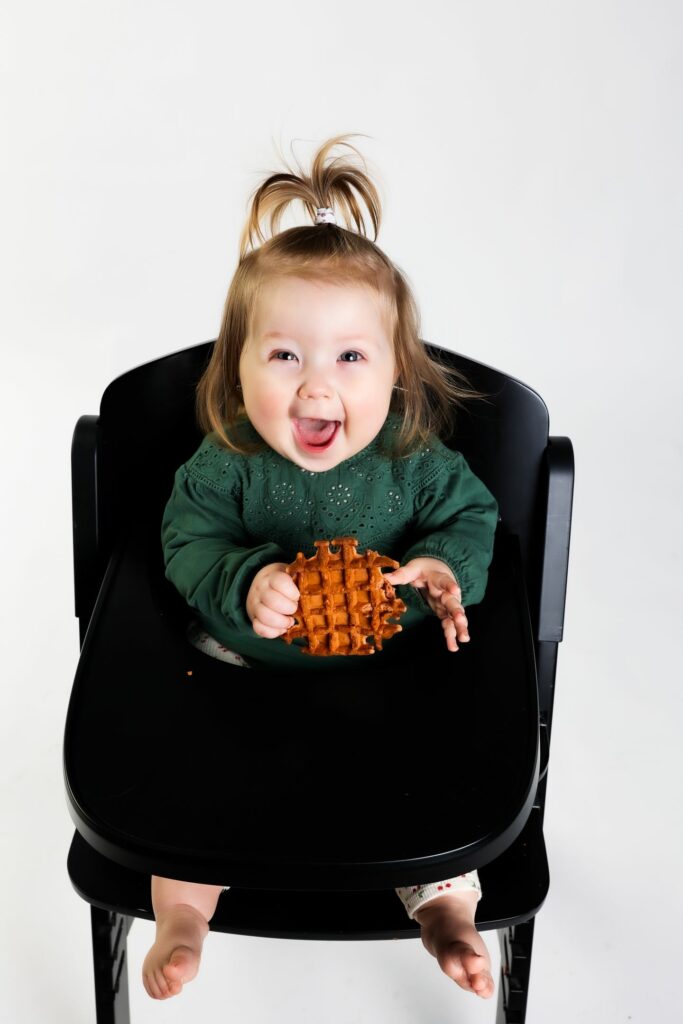
Contrary to popular belief, a baby's food preferences are not fixed. At this age, they are still discovering new things. They explore, compare, feel, and gradually develop their own preferences.
A baby's relationship with food is constantly evolving. A baby may therefore love a food for several days... then refuse to touch it for a period of time.
This absolutely does not mean that he will never love her again.
In BLW Baby-Led Weaning), it's important to remember one essential thing: the goal isn't to feed a specific quantity. The main objective is for the baby to discover, observe, manipulate, and develop a healthy relationship with food.
Some days he will eat a lot. Other days, much less.
And that's normal.
If you're wondering how your baby's food development progresses over the months, you can also read our article Baby's Development.
Behind a refusal, there is often an explanation
When a baby suddenly refuses a food, it's not necessarily a matter of taste.
Sometimes he's just trying to tell us something.
Teething, for example, can make certain textures much less appealing. When gums are aching, a baby may crave colder, softer foods, or conversely, have less of an appetite.
Fatigue also plays a big role. Eating requires energy, concentration, and coordination. Some days, the baby is simply less available.
A slight cold, a stuffy nose, or a particularly difficult day can also affect one's appetite. Even at home, when we're not feeling well, we don't always want to eat the same things.
It's the same for babies.
And if your little one isn't feeling well right now, also check out our article What to do when baby is sick?

Major developmental milestones sometimes change everything
When a child is learning to move around, discovering new skills , or going through a period of frustration, food may sometimes take a back seat.
His brain is busy processing a huge amount of new learning.
It can also develop a greater need for autonomy.
And sometimes this is directly visible on the plate.
What if the problem wasn't the food?
Sometimes, it's not even the food that's the problem.
👉 That's how it's being offered.
A carrot stick might be refused, while a carrot galette or a carrot pancake would be a huge success.
The same food can be presented in dozens of different ways:
- pancake
- savory muffin
- meatballs
- soup
- family recipe
That's also part of the magic of BLW : discovering things in a different way.
In fact, you can also read:
👉 How to offer vegetables to baby?
👉 In what format should I offer food to baby?
Because in BLW , presentation can sometimes change everything.
Rehearsal remains essential
This is probably the most reassuring point:
👉 A refusal is not final.
Some foods need to be offered several times before they are truly accepted.
Sometimes 10 times.
Sometimes more.
This is not a failure.
It's simply baby learning to eat.
And if your baby eats very little or refuses many meals, our article "Baby refuses to eat: normal or worrying?" might also reassure you 💛

✨ Practical guide: how to react?
When baby refuses a food:
✔️ Don't force it
✔️ Don't replace it directly
✔️ Offer it again later
✔️ Change the presentation sometimes
✔️ Keep a relaxed atmosphere
The meal should remain a pleasant experience.
In summary
It is extremely common for a baby to love a food and then refuse it.
This may be related to:
to teething
to fatigue
to an illness
at a development phase
to a need for autonomy
Of course, these guidelines apply to a healthy baby who is following their growth curve correctly.