Changes in temperature, wind, cold, starting nursery or daycare…
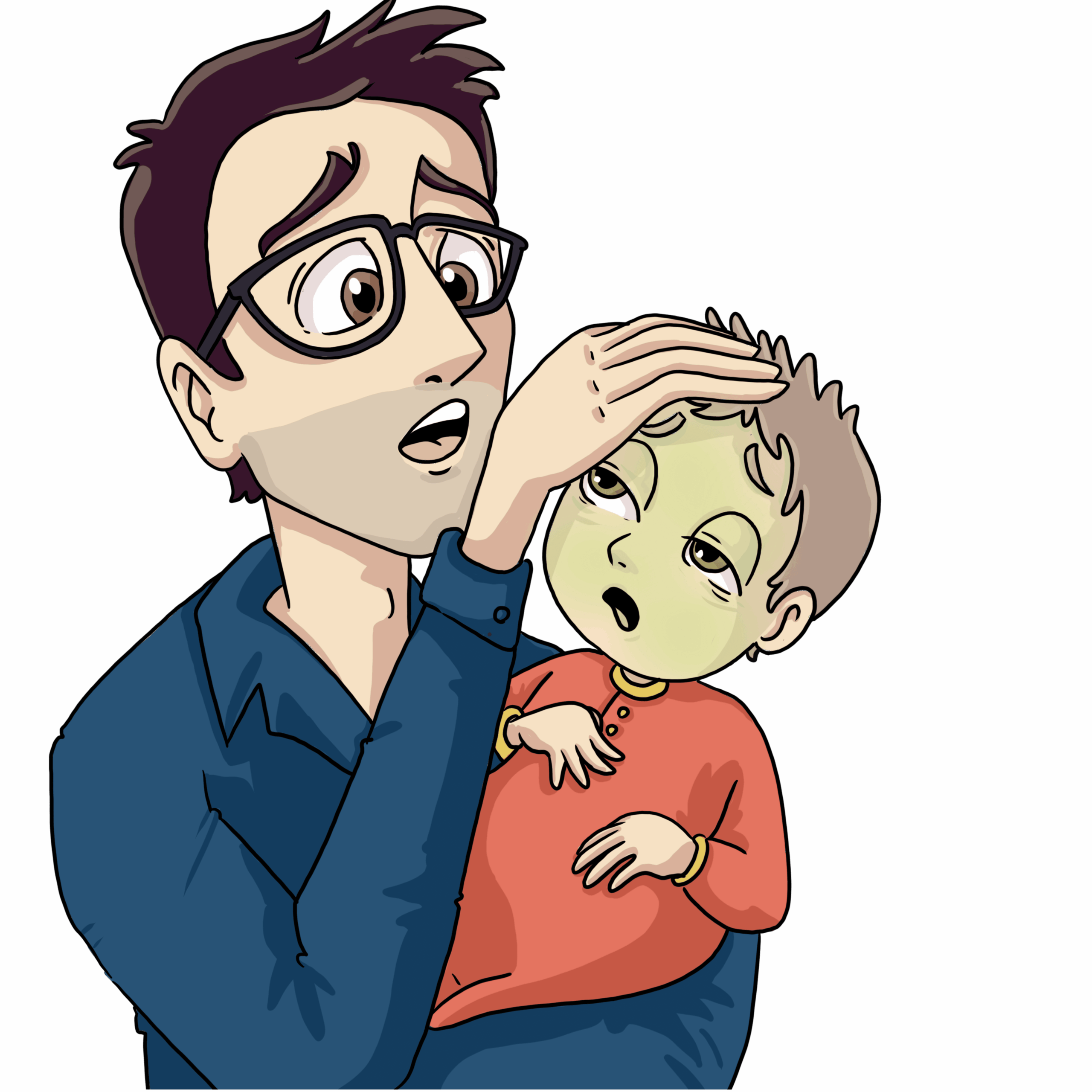
👉 There are a thousand and one reasons why a baby might catch a cold, gastroenteritis, or a minor virus.
And despite all our efforts, it always ends up happening:
👉 baby gets sick.
Faced with this, one can quickly feel helpless.Baby is tired, grumpy… and on top of that, he eats less.
And that's often where the questions arise:
👉 Should I insist?👉 Should I adjust my diet?
Just like for us, when baby isn't feeling well:
👉 And that's totally normal.
His body is busy with:
👉 Eating takes a back seat.
And let's ask ourselves the question:👉 do you feel hungry when you are sick?
This is probably the most important point.
👉 There's no need to force baby to eat.
This could:
👉 The goal is not to “maintain the pace”…👉 but to adapt.
When baby is sick, the top priority is:
👉 avoid dehydration
You can choose to prioritize:
👉 Even if the baby eats little, if he drinks, that's already very good.
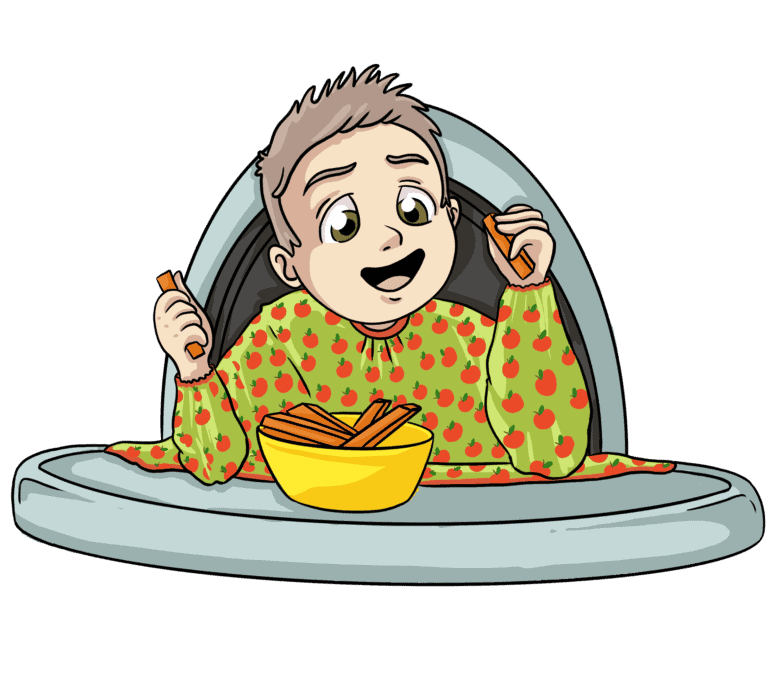
Even if your appetite decreases, you can adjust your meals to make them more accessible.
This is not the time to try out new recipes.
👉 Proposal:
👉 The “comfort” aspect is essential.
Rather than offering a large meal:
👉 offers several small catches throughout the day.
This allows the baby to:
Each illness has its own specific characteristics. You can slightly adjust the foods offered.
Favor starchy foods:
👉 Simple, digestible and reassuring foods.
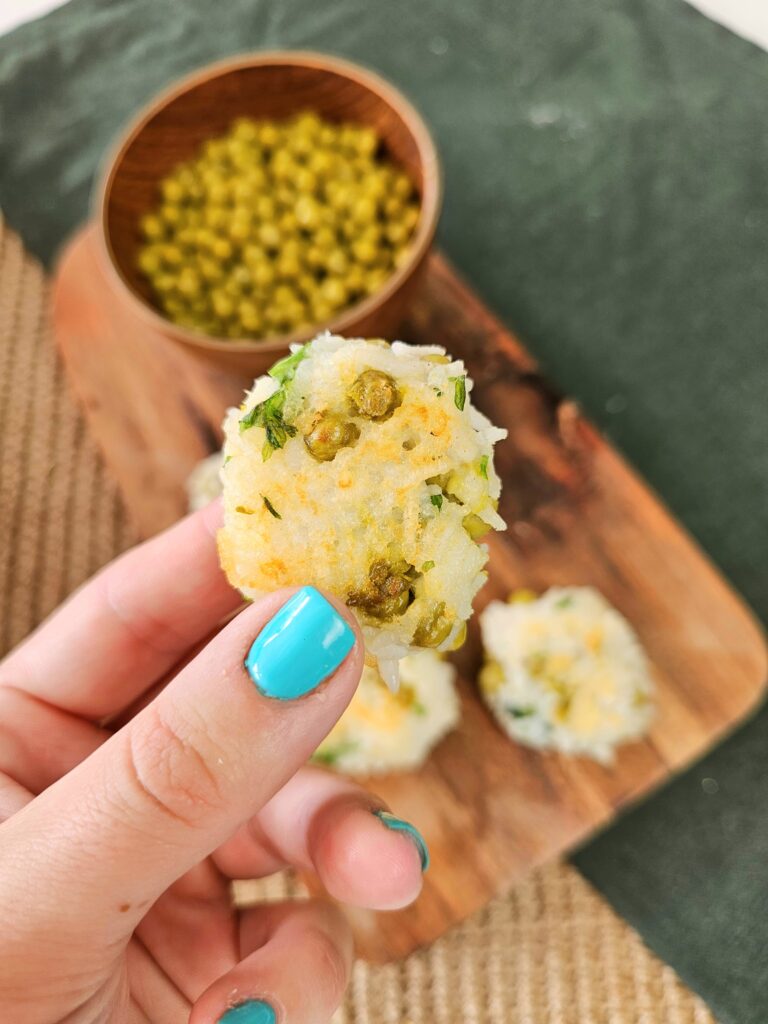
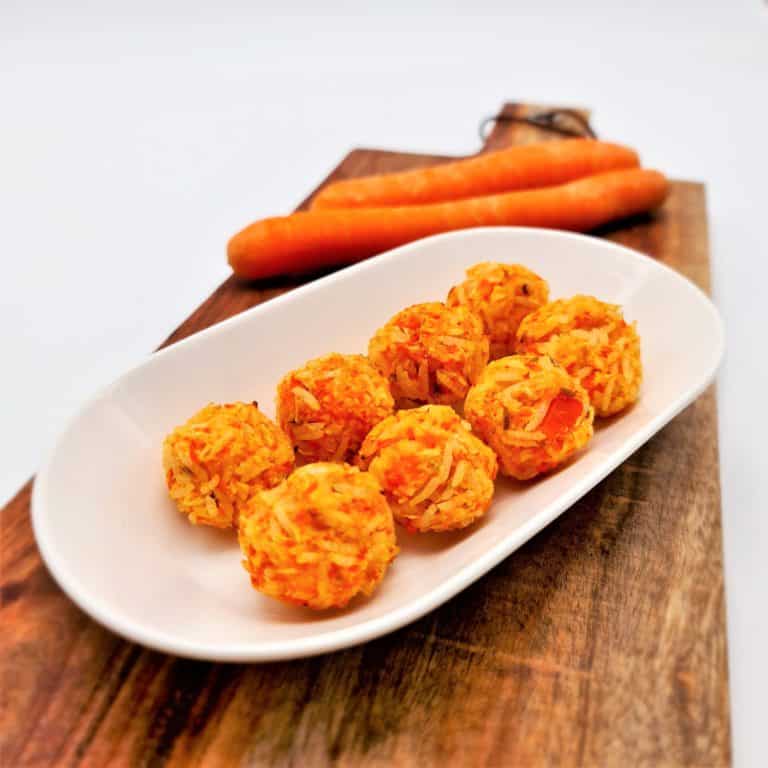
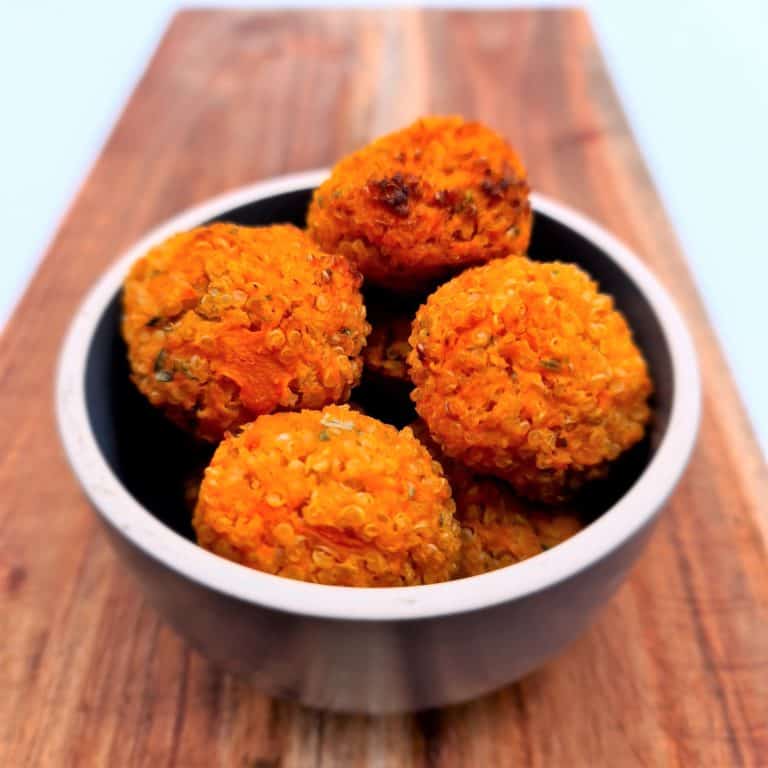
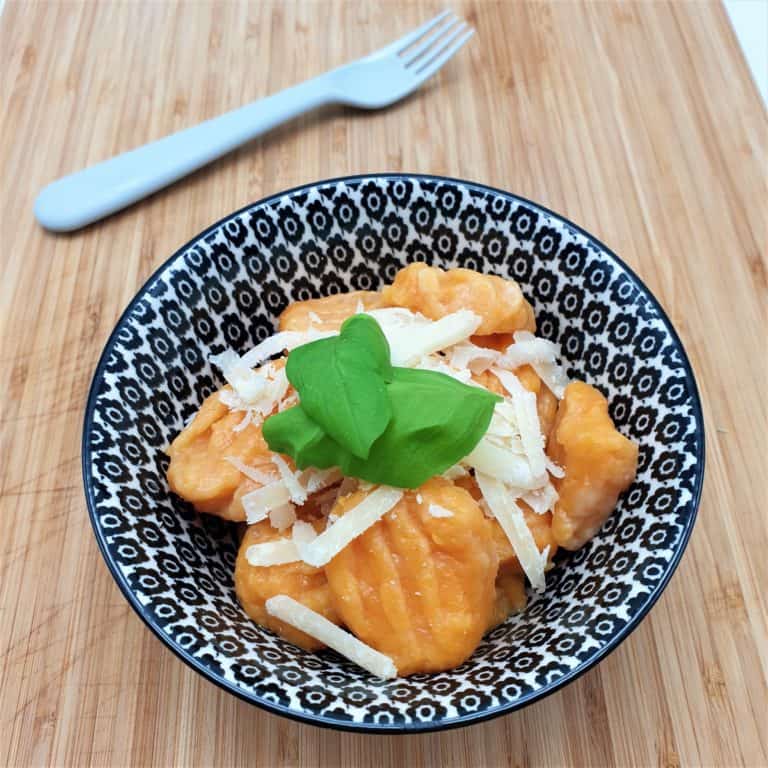
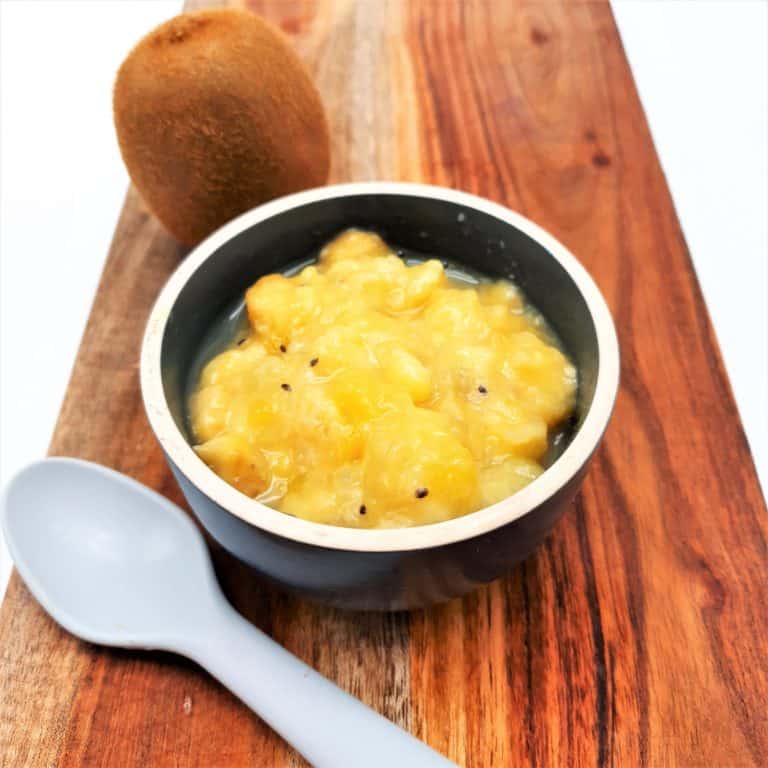
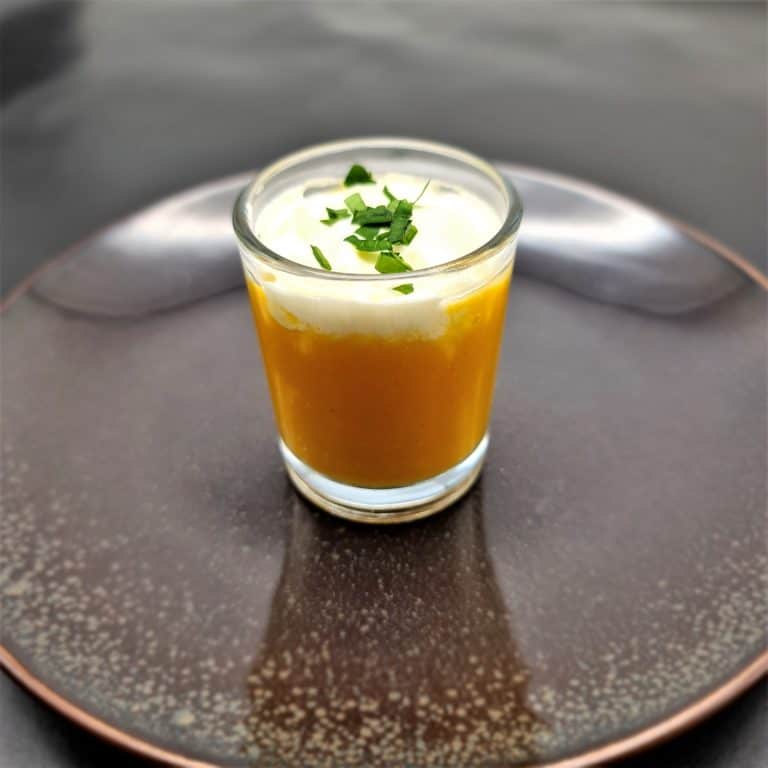
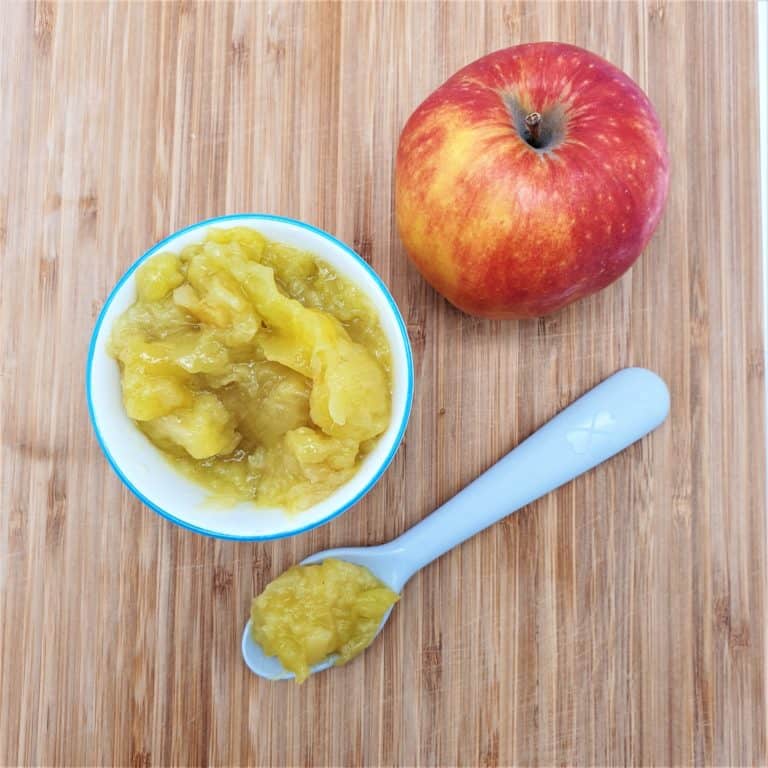
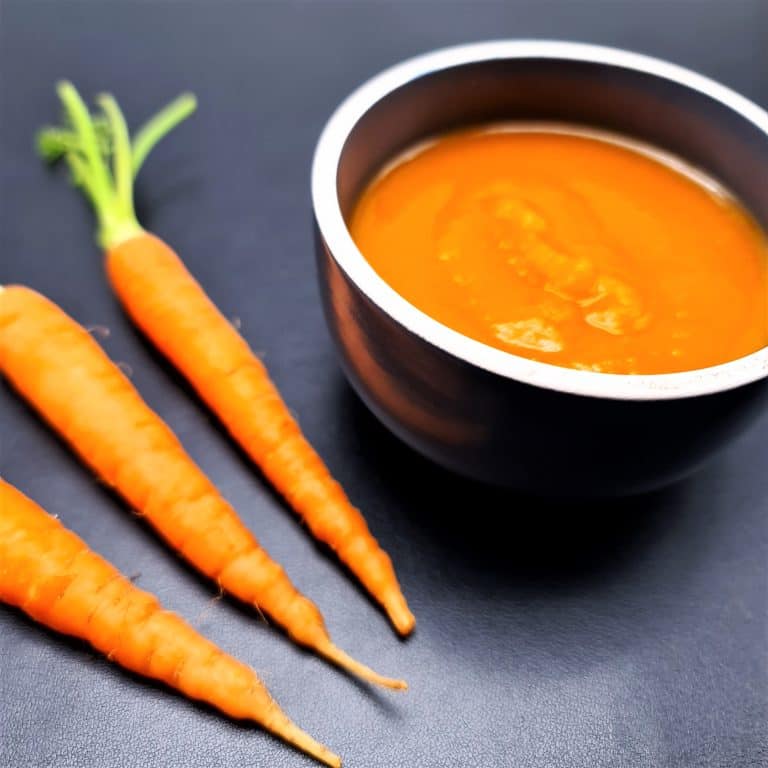
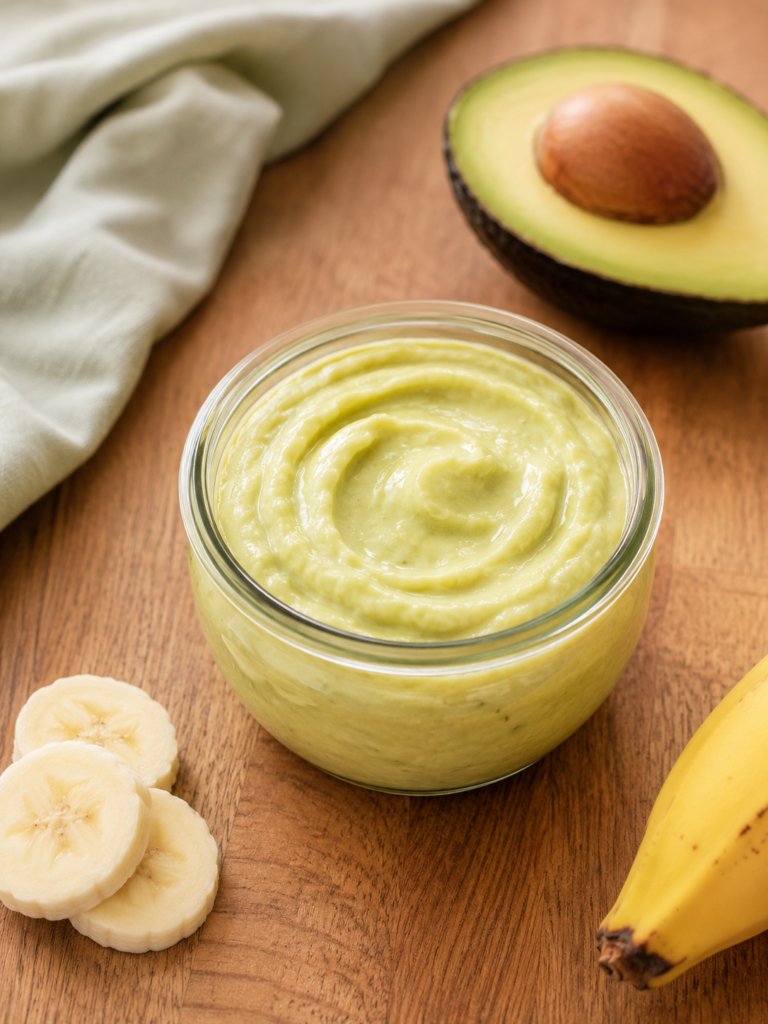
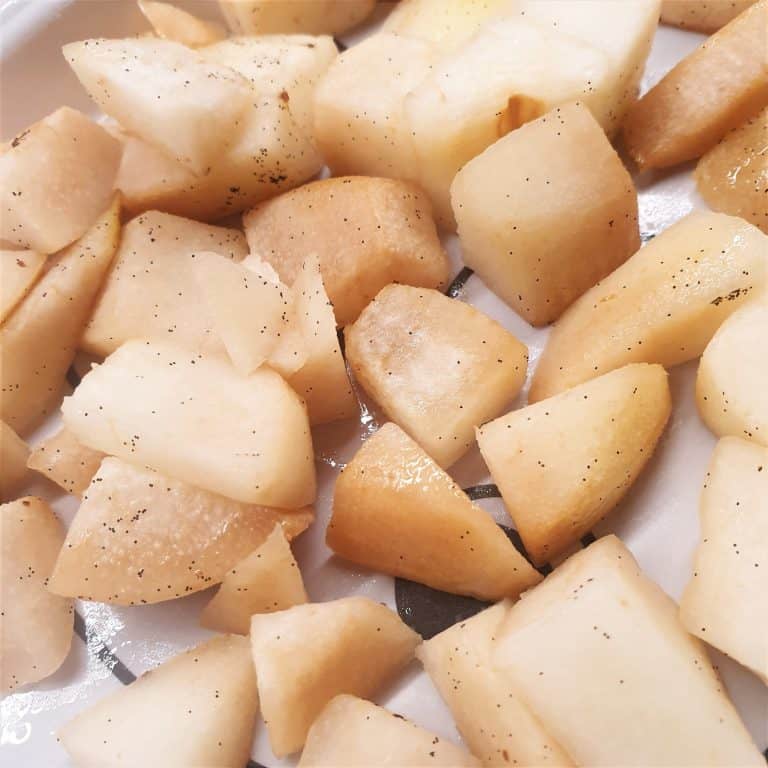
Here is a selection of recipes/snacks to make when baby has these problems:
A blocked nose can bother a baby a lot.
👉 Before the meal:
Afterwards :
👉 offers foods he likes👉 and prioritizes pleasure
Find your baby's favorite meal in our recipe list.
The priority remains:
👉 hydration
You can suggest:
👉 The goal: to support your body without tiring it.
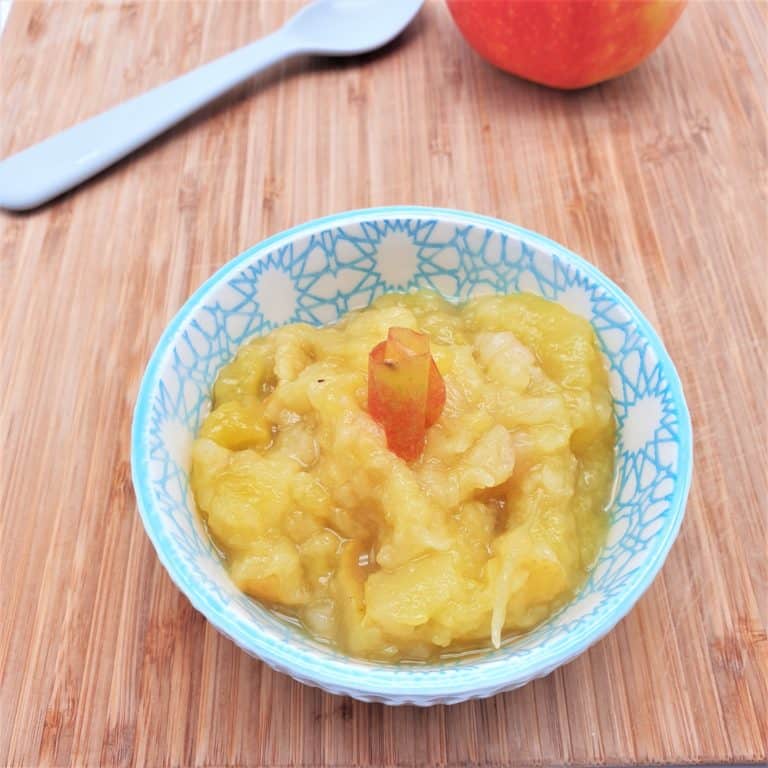
Here is a selection of recipes/snacks to make when baby has this problem:
While a decrease in appetite is normal, certain signs should raise concern:
👉 In this case, consult your doctor.
When baby is sick:
👉 He eats less👉 He has less energy👉 He needs gentleness
The goal is not to maintain a “perfect” diet👉 but to adapt to it.
Of course, these guidelines apply to a healthy baby who is following their growth curve correctly.
Your email address will not be published. Required fields are marked with *
Comment *
Name *
E-mail *
Website
Save my name, email, and website in this browser for the next time I comment.
Δ
Receive our free printable PDF guide . Inside you will find:
By signing up, you agree to receive informative emails from BLW Bébé about nutrition, tips, recipes, promotions and information on introducing solid foods.
Check your inbox or spam folder to confirm your email address.