This is a question that comes up very often when discussing baby-led weaning:
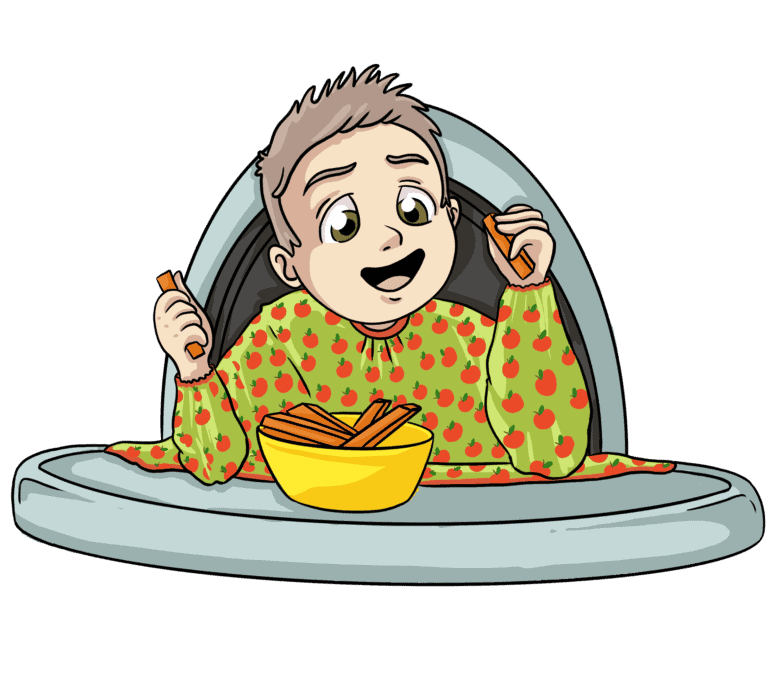
“My baby doesn’t have any teeth yet. Can he really eat pieces of food?”
And the answer is: yes!
Many parents wait for the first teeth to appear before daring to offer solid foods. However, teeth are not the criterion that determines whether a baby is ready to start BLW ).
In reality, the teeth we primarily use for grinding food are the molars and premolars. These usually erupt between 13 and 30 months. If we waited for them to come in before introducing solid foods, some children would have to wait until they were over two years old!
Fortunately, the baby already has everything needed to learn to eat.
How does a baby chew without teeth?
It may seem surprising, but the first visible teeth play only a limited role in chewing.
When baby starts weaning, the main things are:
- his language
- her gums
- his palace
who carry out the work.
A baby's gums are particularly powerful. They already allow the baby to crush many soft foods without difficulty.
If you're still unsure, you can gently slide your clean finger between her gums. You'll quickly see that they're already exerting impressive pressure!
This is why a baby can perfectly manage suitable pieces even without any teeth.
Teeth are not a good indicator
Rather than looking in the baby's mouth, it is better to observe its abilities.
To begin BLW , the important criteria are:
✔️ Baby is approximately 6 months old (age corrected if necessary)
✔️ He sits comfortably in his chair
✔️ He can turn his head from left to right
✔️ He puts objects in his mouth by himself
If you wish to check all the prerequisites, also check out our article When to start BLW ?

Texture remains key
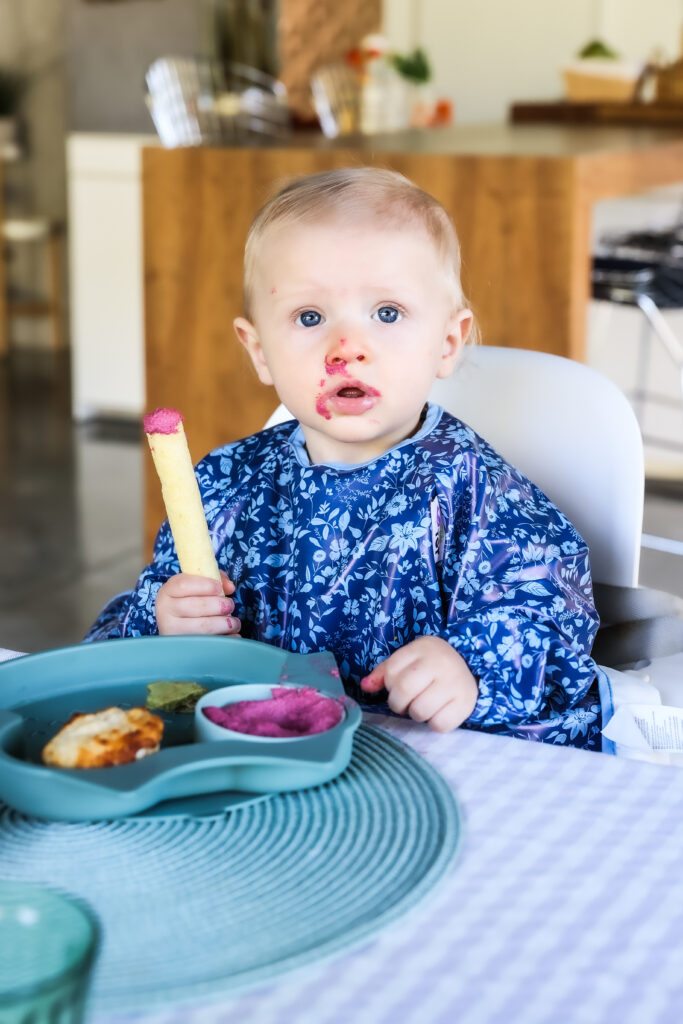
Even without teeth, a baby should still receive food appropriate to their developmental level.
Initially, certain foods are preferred:
- fondant
- easy to crush between the fingers
- large enough to be easily caught
Size and texture are far more important than the number of teeth in its mouth.
To find out exactly how to adapt the food, you can consult our article " In what format should I offer food to my baby?"
What foods should be offered at the beginning?
When starting solids, opt for naturally soft foods such as:
🥑 the lawyer
🍌 the banana
🍠 well-cooked sweet potato
🥦 Melting broccoli
🍐 the perfectly ripe pear
🥒 cooked zucchini
These foods allow babies to discover pieces of food with confidence.
To learn more, check out our guides:
And what about during teething?
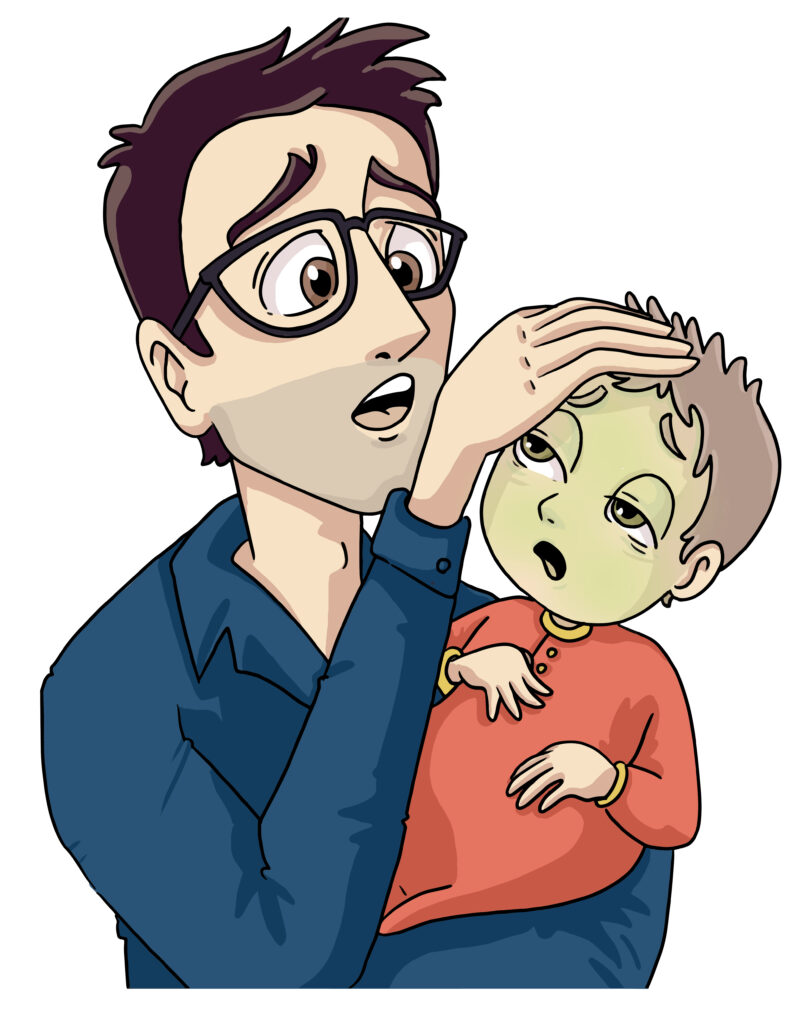
Although teeth are not required to start BLW , their arrival can sometimes complicate mealtimes.
During teething, baby may:
- salivate a lot
- chewing on anything he finds
- to be more grumpy
- to have less appetite
- refuse certain foods
This is often an uncomfortable time for him.
In this case, there's no point in forcing him to eat.
As we also explain in our article What to do when baby is sick?,appetite can naturally vary when baby is not feeling well.
You can simply:
✔️ Offer several small meals throughout the day
✔️ favor fresh or melting foods
✔️ Continue to offer breast milk or formula as needed
✔️ Offer him a teething ring that has been chilled in the refrigerator
However, be careful to avoid the freezer which could cause frostbite.
✨ Practical tip: how to tell if a food is soft enough?
A very simple trick is to crush the food between your thumb and forefinger.
If the food is easily mashed without effort, it is generally suitable for a baby starting BLW .
If you have to force it, the food is probably still too hard.
Risky foods still need to be adapted
Even if a baby can eat without teeth, some foods still require special attention.
Grapes, cherries, cherry tomatoes, and certain nuts must be adapted before being offered.
Find the complete list in our article What are the risky foods?
In summary
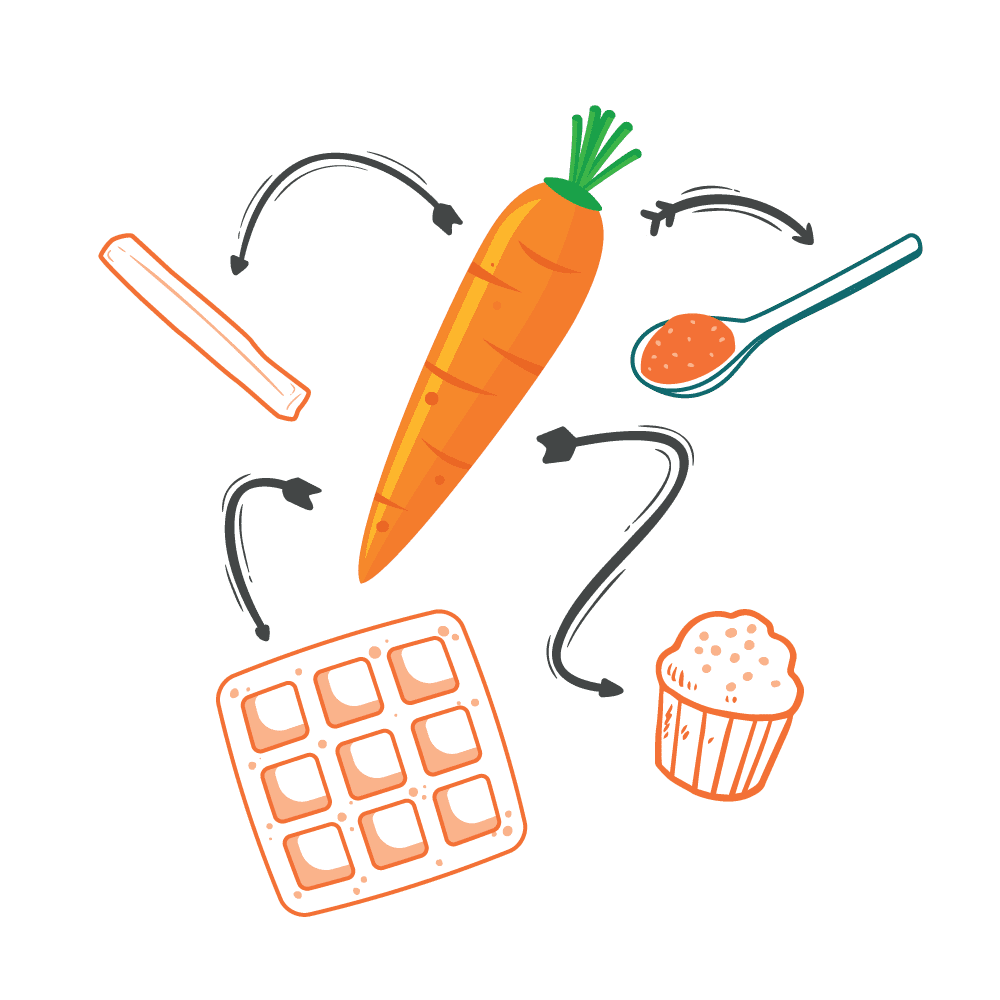
No, a baby does not need teeth to begin baby-led weaning.
What really matters is its motor skills, posture, and how the food is presented.
With suitable textures and safe formats, baby can absolutely discover pieces before the appearance of their first teeth.
Teething often reassures parents… but it is above all the baby’s abilities that count.
An answer