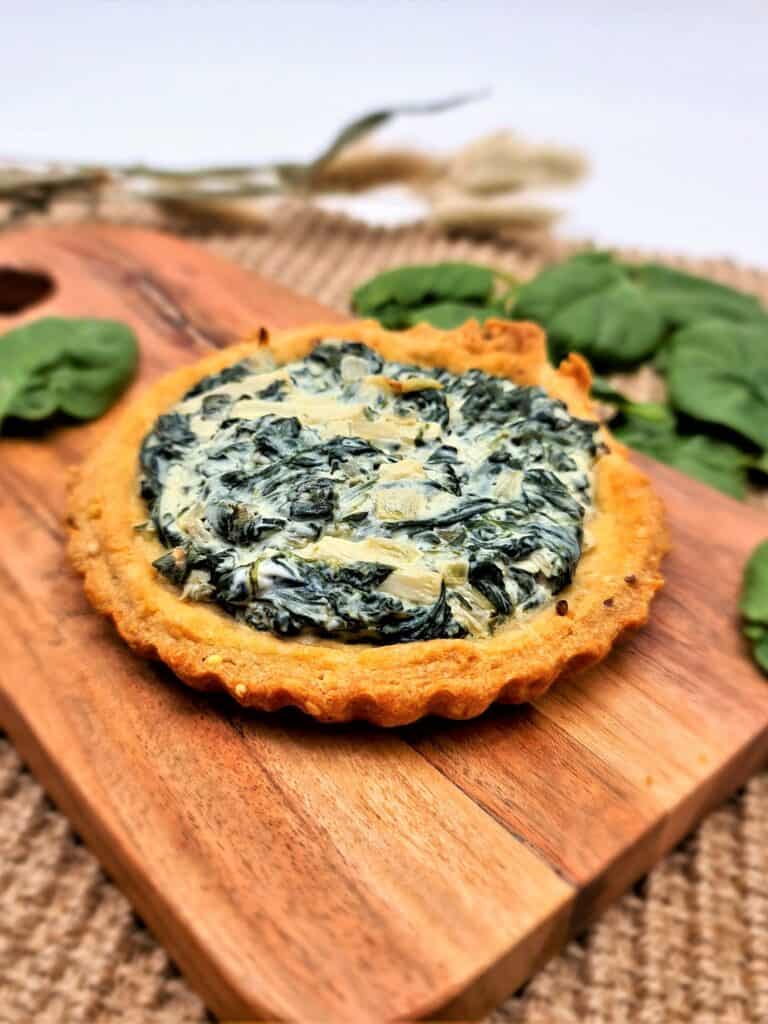
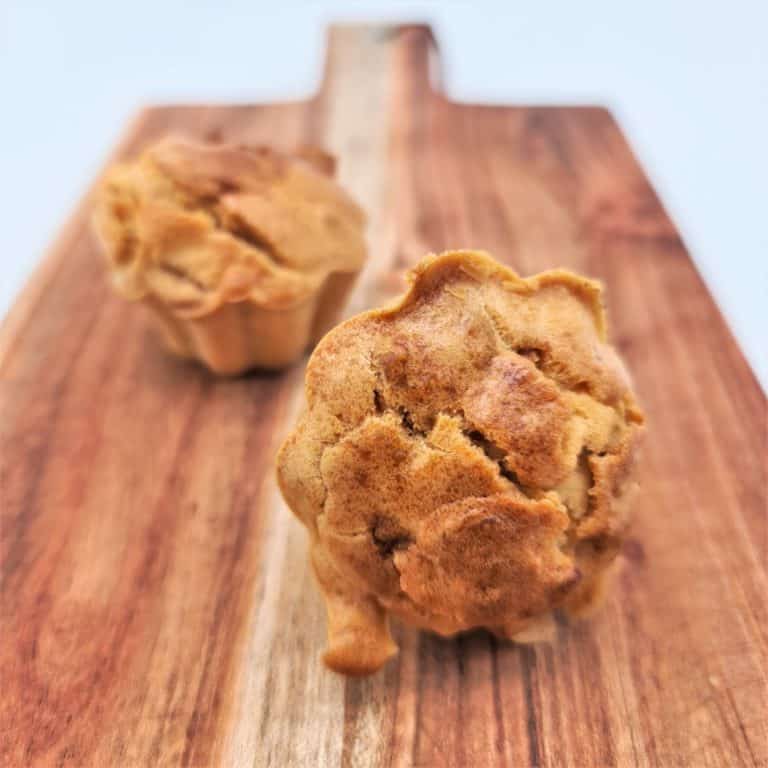
Le chou-fleur est une bonne source de vitamine C : une portion crue contient presque autant de vitamine C que la moitié d’une orange. Après cuisson, seule une petite quantité est perdue, si bien que le chou-fleur cuit demeure encore une bonne source de cette vitamine. Mais le chou-fleur est également source de vitamine B9 (très intéressant pour les les enfants en croissance), source de vitamine B5 (énergie, performance cognitive, réduction de la fatigue, synthèse de vitamine D) et source de fer (quand il est cuit!). Ce légume contient aussi du potassium, du sélénium, de l’iode et des glucosinolates, comme tous les crucifères. Ce sont des composés bioactifs qui auraient des effets potentiels contre différents types de cancer.
Type de recette : Repas
A partir de : 6 mois
Saisons : Automne, Hiver, Printemps
Régimes : Sans gluten, Sans oeufs, Sans PLV, Vegan, Végétarien
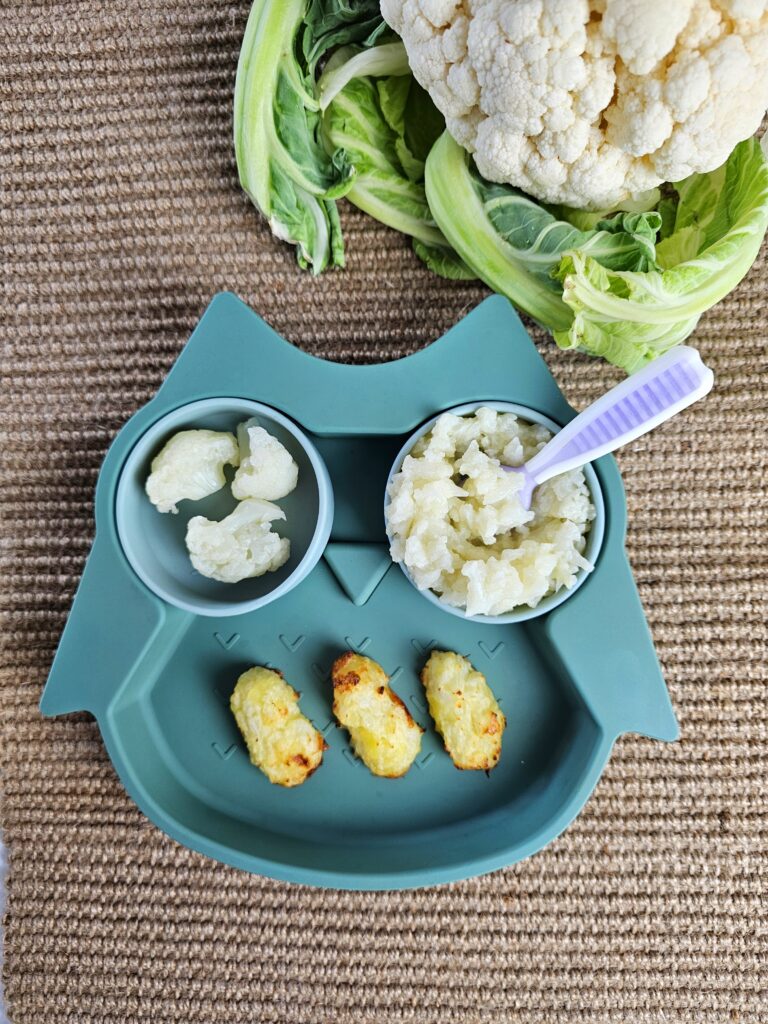
Une saveur un peu particulière, une couleur blanche et des feuilles vertes qui le recouvrent, le chou-fleur est un légume à consommer en hiver grâce à ses nombreuses vertus. En effet, le chou-fleur est un légume riche en fibres et en vitamines qui aident à renforcer le système immunitaire de toute la famille et qui sont bénéfiques pour le tube digestif. Dès 6 mois, vous pourrez mettre un écrasé de chou-fleur ou encore des fleurettes cuites à la vapeur dans l’assiette de bébé. Après avoir découvert le chou-fleur sous sa forme brute, bébé pourra découvrir ce légume blanc dans différentes recettes DME à base de chou-fleur. Le chou-fleur pourra être proposé sous différentes formes et textures avec des saveurs variées afin de développer au maximum la palette gustative de bébé. Que ce soit des croquettes, des pancakes, une salade de pâtes, des galettes, des falafels, des pop-corn, etc. Il existe de nombreuses manières d’éveiller les papilles de bébé avec du chou-fleur.
Pour agrémenter le chou-fleur dans l’assiette de bébé et lui ajouter un peu de couleur, n’hésitez pas à l’assaisonner avec des épices comme le curry ou le paprika.
Recevez gratuitement notre GUIDE sous format PDF à imprimer. Vous y trouverez:
les règles de sécurité à respecter
les points importants à connaitre
le menu de la première semaine DME de Bébé
Nous utilisons des cookies pour vous garantir la meilleure expérience sur notre site web. Si vous continuez à utiliser ce site, nous supposerons que vous en êtes satisfait.