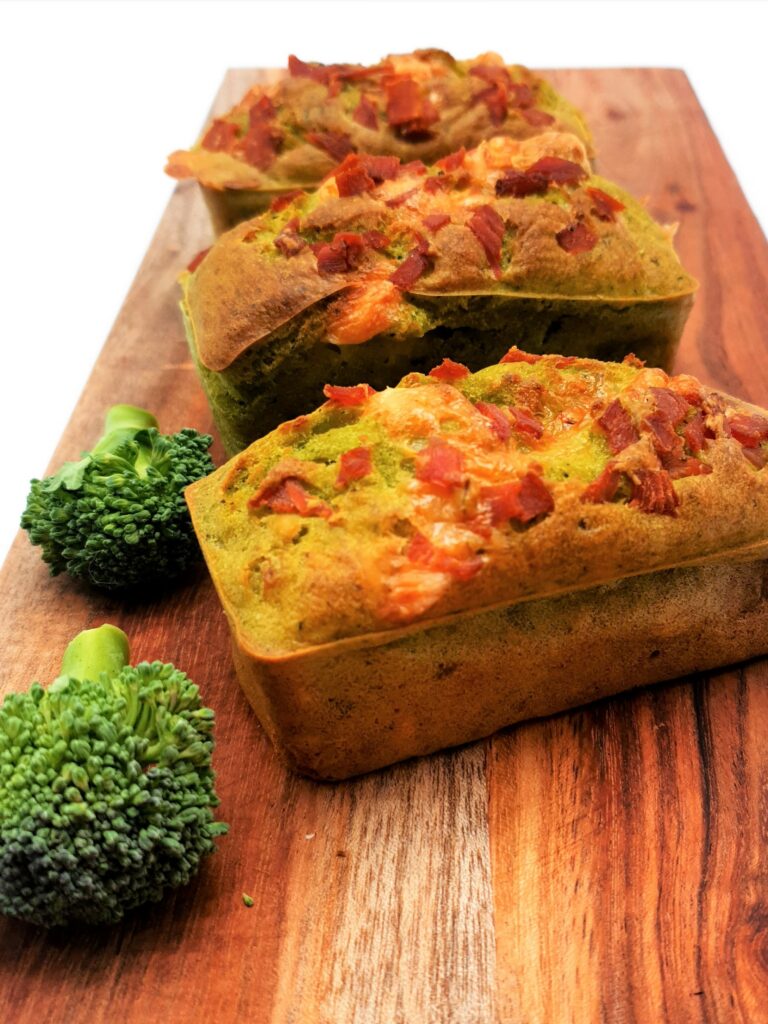
How about we eat some mini trees today? Broccoli is part of the cabbage family. It's not always a favorite, yet it's packed with health benefits! It would be a shame to deprive your baby of it! Furthermore, the earlier we introduce foods to our baby, the less likely they are to develop food neophobia (reluctance and/or rejection of new foods).
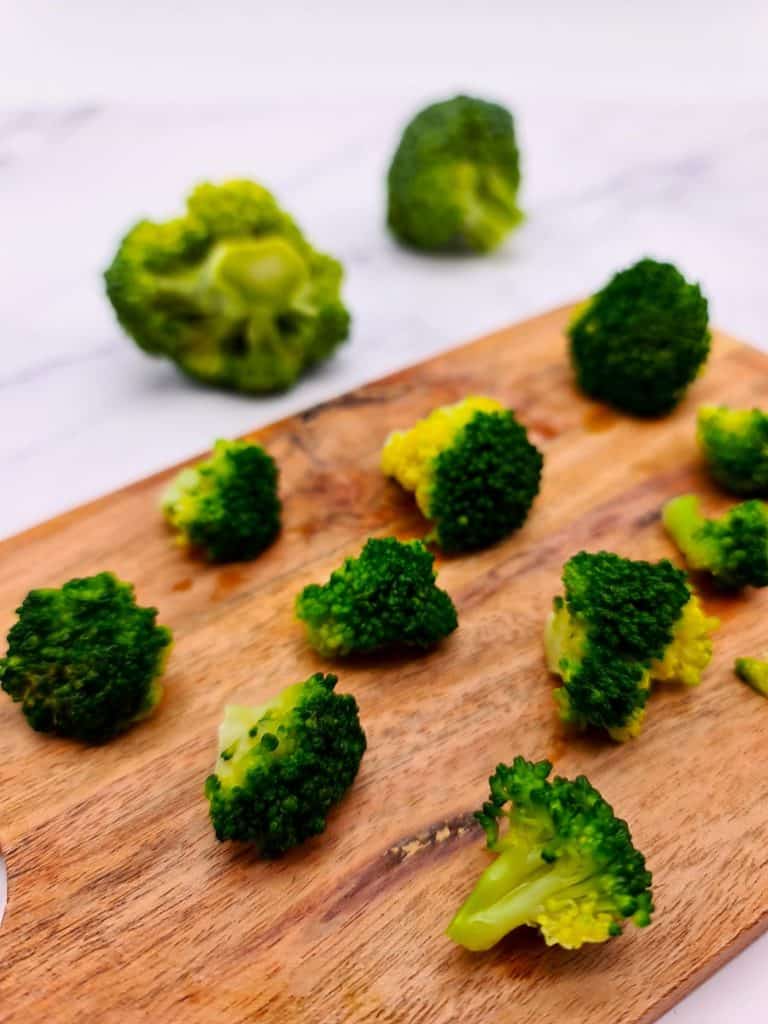
1) Rinse your broccoli with water. 2) Dry it with a clean towel. 3) Cut your broccoli into small florets. 4) Steam your florets. 5) Drain them.
How can you tell if the bouquets are cooked enough? Take a piece that you have just cooked, put it in your mouth between your tongue and your palate: if you can crush it against your palate, it is cooked enough.
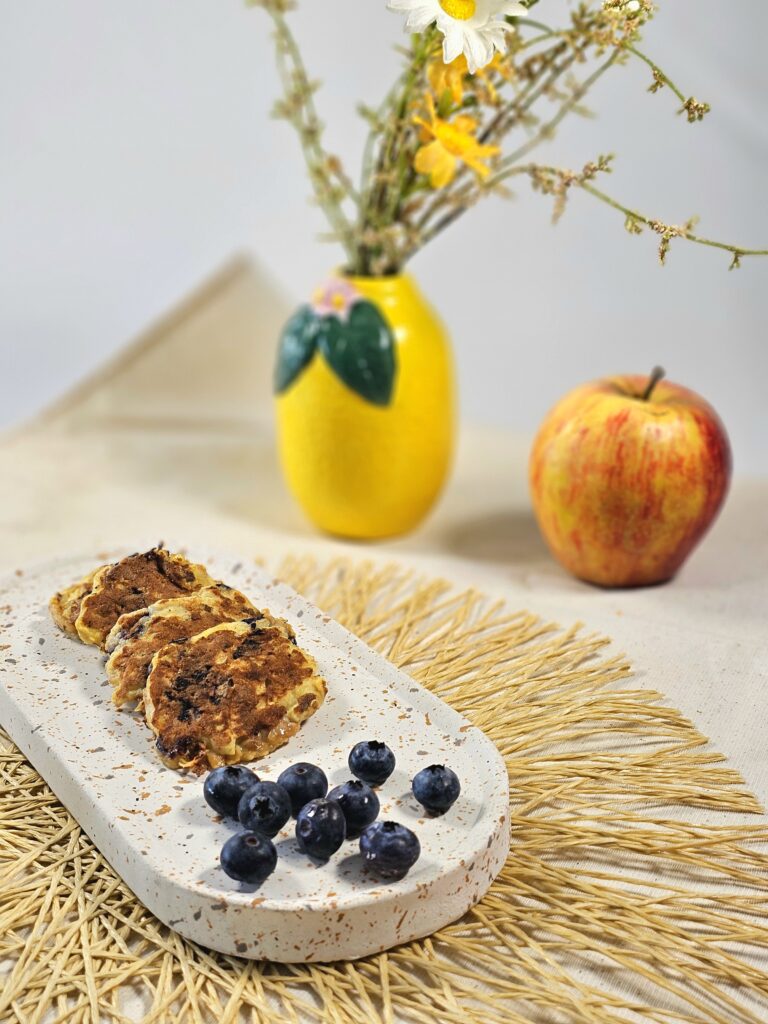
Broccoli is a vegetable you shouldn't forget to introduce to your baby during baby-led weaning! Who said broccoli wasn't good? The green color of broccoli and other vegetables is often associated with disgust, and many people may have reservations about it. However, broccoli is packed with numerous benefits that are worth introducing to your baby! With its fiber content, this vegetable helps promote regularity when your baby is sick. It's also an excellent source of vitamin C! After discovering the true flavor of broccoli, your little one can rediscover this taste in BLWrecipesfeaturing broccoli with different textures. A smooth texture is offered in purées, while a liquid texture is available in soups. The melt-in-your-mouth texture of broccoli can be explored in croquettes or patties, while a soft texture is found in muffins or pancakes. Of course, these BLW aren't just for babies; the whole family can enjoy them! There are many ways to offer broccoli to baby for a colorful plate!