Baby-led weaning is a different approach from traditional weaning: we move away from traditional purees and small jars given by spoon, to allow the baby to discover food independently .
In traditional weaning, the transition from milk to solid foods is usually made with smooth textures such as purées or compotes. In BLW Breast-Led Weaning), foods are presented directly in the form of small pieces . Of course, these will be offered in a safe and baby-friendly .
But be careful, we too often read definitions that reduce BLW to the texture of the foods offered: BLW isn't just about giving baby pieces of food! It's much broader than that. BLW is a true philosophy of nutrition ! Whether it's soft foods, pieces, or pre-filled spoons of purees or compotes, it's the baby who brings each food to their mouth and is an active participant in their meal . Our role? To offer baby healthy foods adapted to their development.
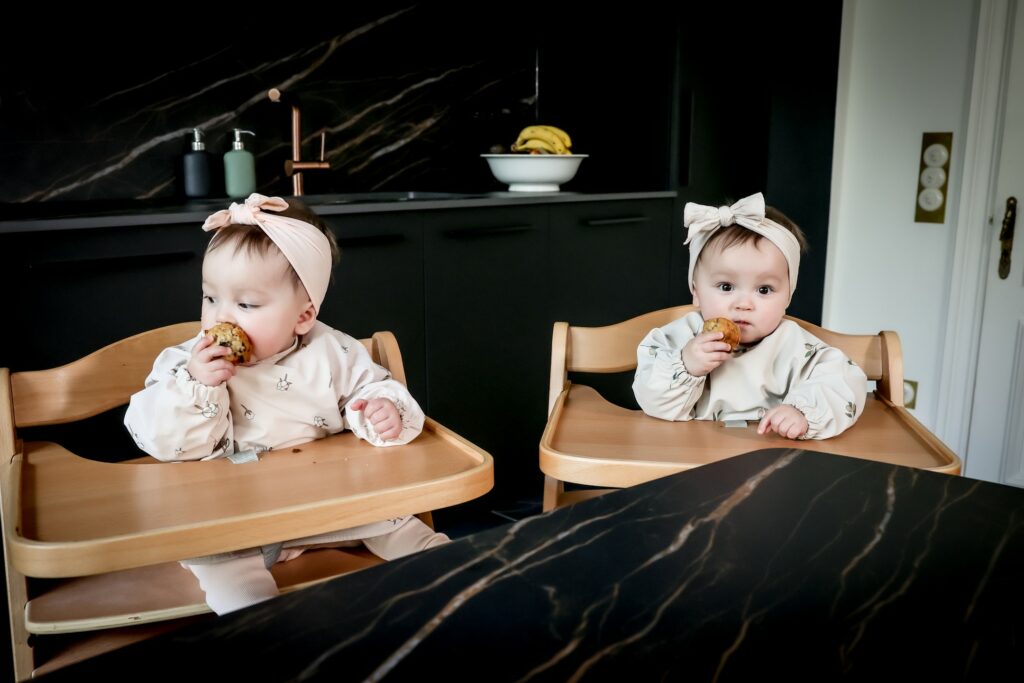
Photo: © Lune et l'autre
Why get involved in BLW ?
The reluctance one might encounter from those around them stems from the fact that this approach is still largely unknown in France and Belgium. However, in Canada, it is already well-established. We can also derive several advantages :
- Discovering food with each sense
- The development of his motor skills
- Being able to share a meal with family
- Discover the true nature of food
- Satiety management
- Less risk of neophobia
1. Discovering food with each sense
The BLW allows baby to discover food with all their senses . They can explore the texture, smell, shape, color, and taste of each food. A true adventure at every meal.
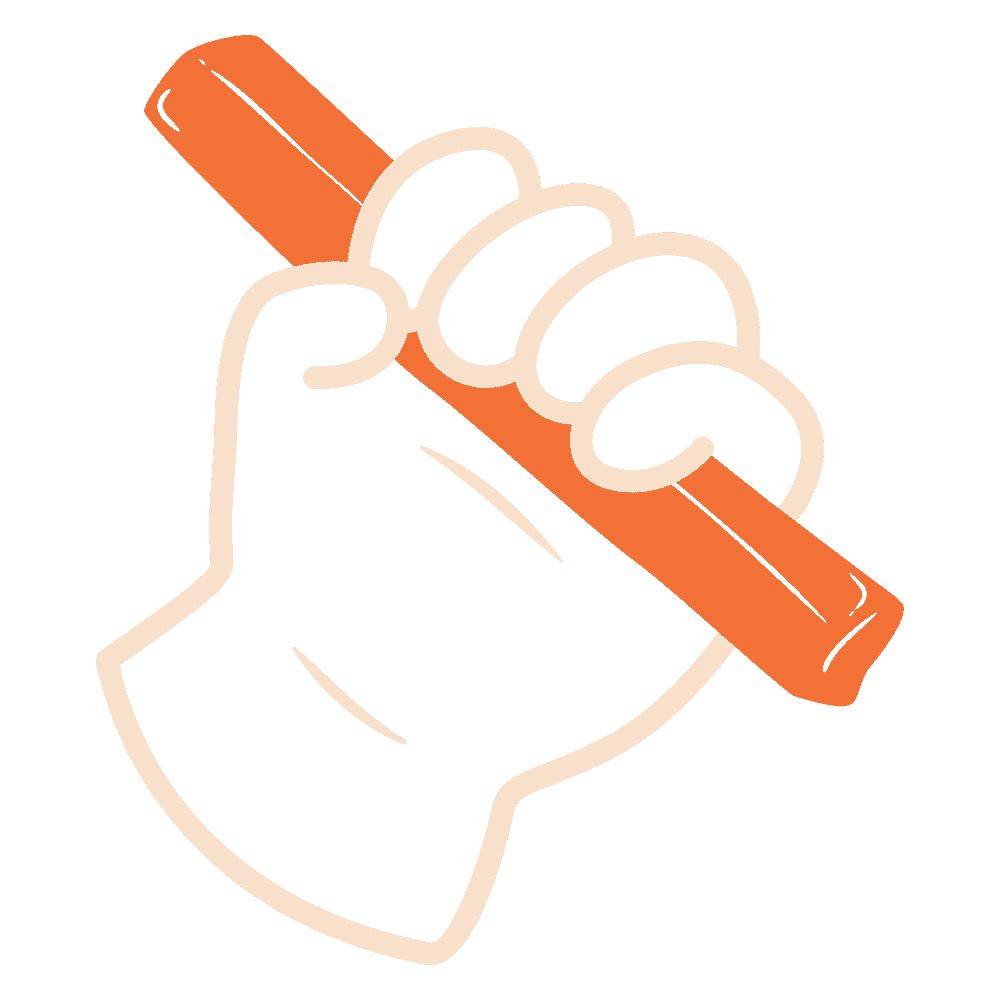
2. Development of motor skills
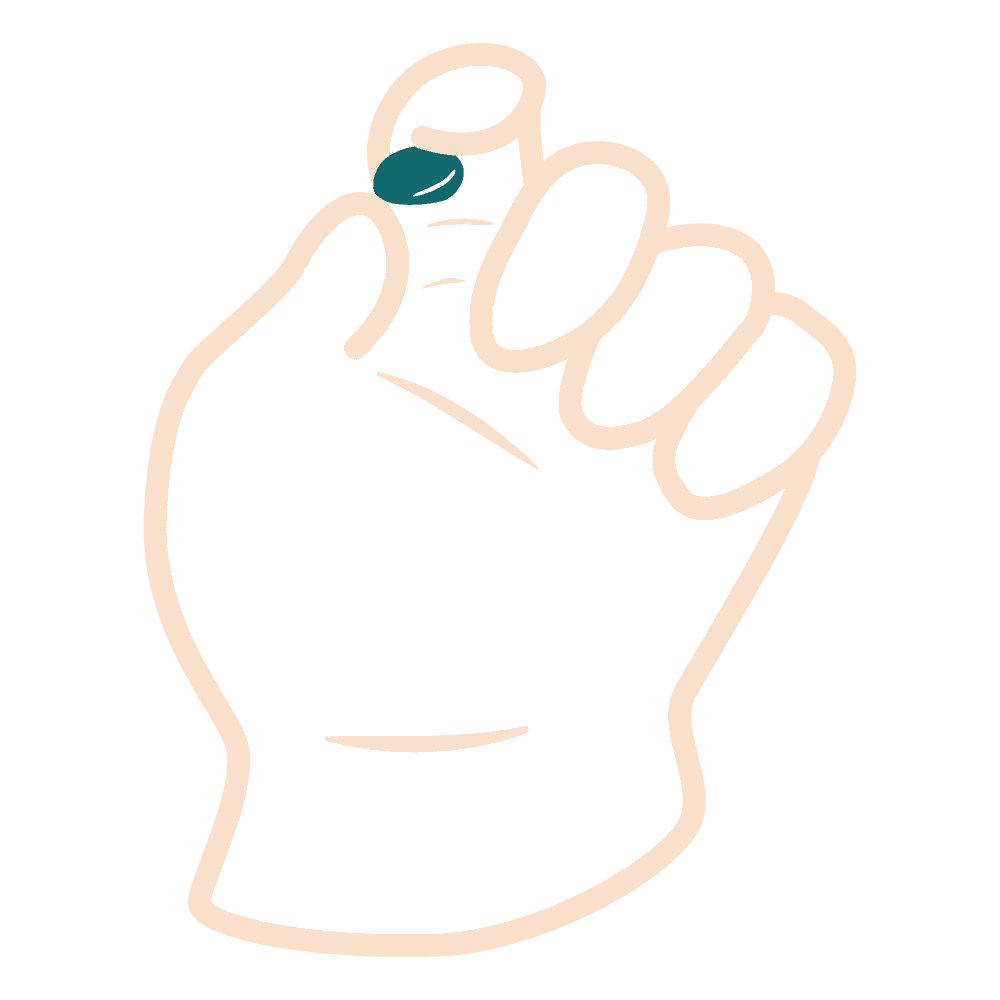
Baby is an active participant in mealtimes and will enjoy discovering each food. By grasping the pieces with their hands, they can develop their fine motor skills , and you'll be surprised at how quickly they can pick up increasingly smaller pieces.
3. Sharing a meal with the family
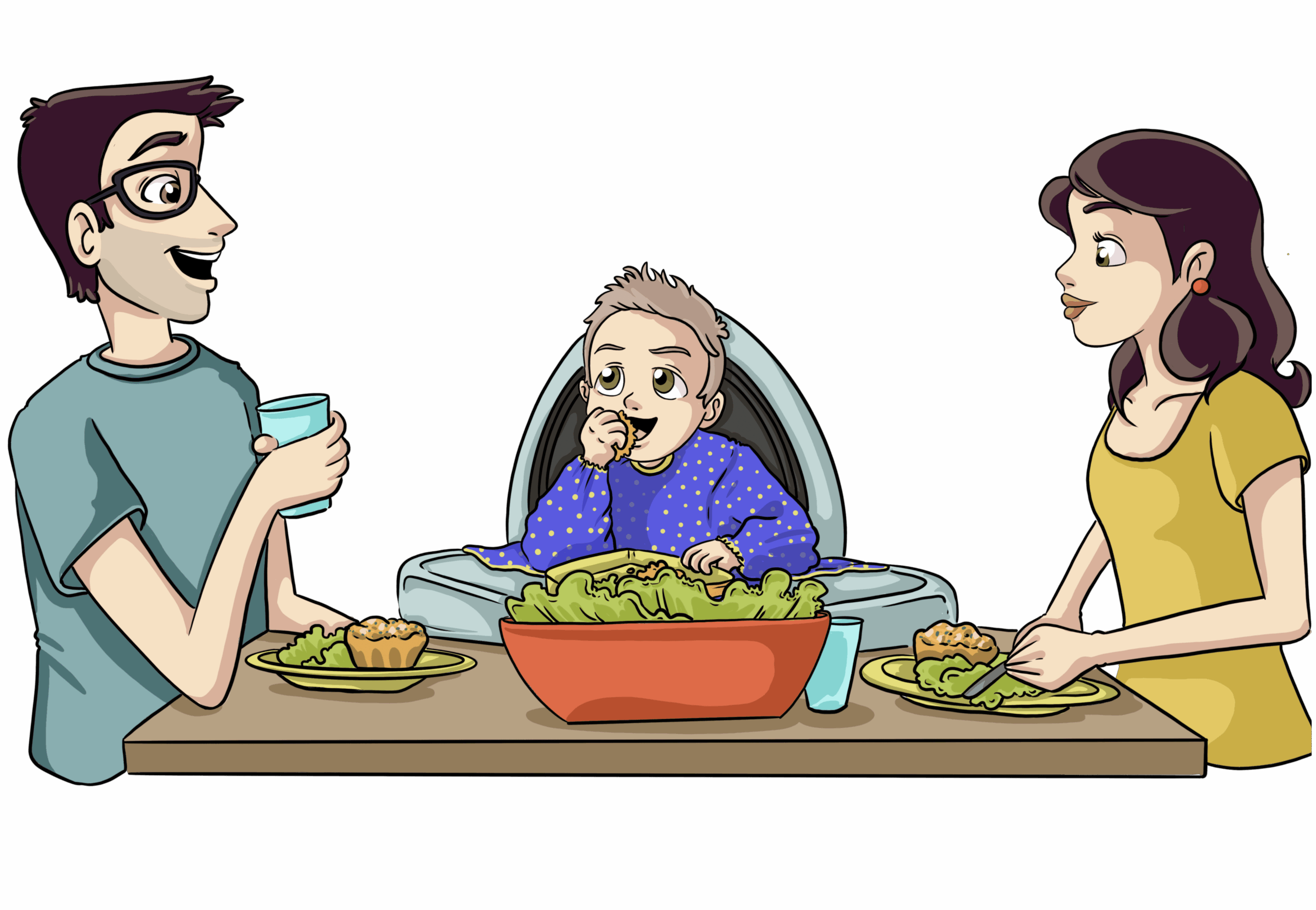
Everyone eats at the same time, allowing you to fully enjoy sharing a family meal . You'll set a good example for your baby, who will try to imitate you. This will help create a ritual around family meals and develop healthy eating routine from the start . Plus, since your baby can eat (almost) the same thing as you, it saves a lot of time in the kitchen!
4. Discovering the true nature of food
It is up to the age of three a baby's entire dietary repertoire develops . It is therefore very important to offer them a wide variety of fruits, vegetables, meats, cereals, etc., so that they can broaden their food range as much as possible.
The BLW will allow the baby to enjoy a diet where processed or industrial are limited as much as possible . This will allow them to discover the true nature of food .
5. Satiety Management
The risk of developing overweight in adulthood will be reduced through early learning about satiety!
The BLW also allows babies to learn to listen to their needs . They learn to manage their satiety independently and understand its different signals: an essential skill for their future eating habits. We, as parents, often tend to play a negative role in their appetite: pressure to finish their plate, a distorted view of "appropriate" portion sizes, social norms, fear that the baby won't eat enough, or will eat too much, etc.
By letting him eat on his own, we give him the opportunity to consume the amount he wants and truly needs. He will eat until he is full at the table , and can then ask for the breast or bottle to satisfy his needs.
6. Less risk of neophobia
Neophobia is the reluctance to try new foods . It also manifests as selectivity in food choices and a refusal to eat foods previously accepted.
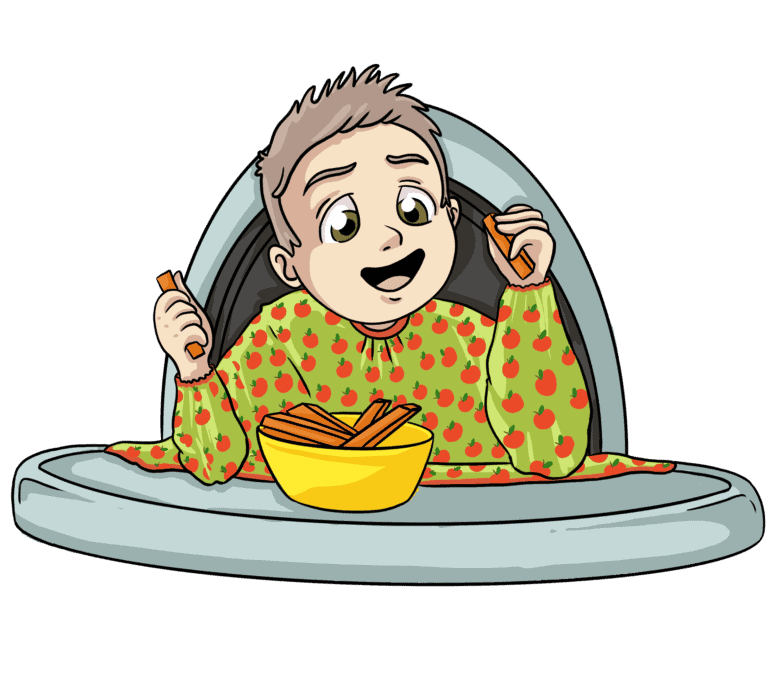
It is therefore recommended to offer babies as many finger foods as possible . The BLW Biologically Clean Wedge) approach is thus a perfect solution to avoid developing future food neophobia.
2 answers