Seasonal fruits and vegetables

At BLW , we always prioritize offering babies healthy recipes! But healthy food means seasonal fruits and vegetables !

Why is it important to eat seasonal fruits and vegetables?

The true taste of fruits and vegetables

A tomato in summer tastes much better than a tomato in winter! Fruits and vegetables are tastier when eaten in season! By eating seasonally, you'll be offering your baby delicious foods that have naturally ripened before being harvested. Fruits and vegetables that have reached their peak ripeness before being picked have more pronounced flavors.

With BLW Baby-Led Weaning), Baby will discover the foods you offer using their five senses. It is important that they taste the true flavors of fruits and vegetables .

The right input at the right time!

The human body's energy requirements vary depending on the season. In winter, we need vitamins that the sun provides in summer. Did you know that seasonal fruits and vegetables are specifically chosen to meet the needs of both your body and your baby's? Winter fruits and vegetables provide the vitamin C that your baby needs! And the same is true for all other seasons!

Seasonal fruits and vegetables are richer in nutrients and provide what the body needs according to the seasons! Nature really is amazing!

Seasonal fruits and vegetables are much better for our health!

Seasonal fruits and vegetables for the environment

By respecting the seasonality of fruits and vegetables, you're taking a step for the planet! Indeed, by consuming seasonal fruits and vegetables, you're supporting local products or those from countries near your own. This reduces the CO2 emissions from food transportation. Pretty good, right?

Furthermore, fruits and vegetables that come from far away are picked before they are ripe and continue to ripen during transport. They will have less flavor and, above all, fewer nutrients…

What foods pose a risk in BLW ? They are basic, small, round, and hard foods. We explain everything in the article.

At BLW , we favor recipes made with seasonal fruits and vegetables. Each week, we offer a menu based on what's in season. All our recipes indicate the season in which they are best enjoyed with your baby!

Offering seasonal fruits and vegetables to your baby not only provides the right nutrients according to the season, but also allows them to discover their true flavors while doing something good for the environment! Pretty great, right? Seasonal fruits and vegetables can only be good for your baby!

The seasonal fruit and vegetable calendar

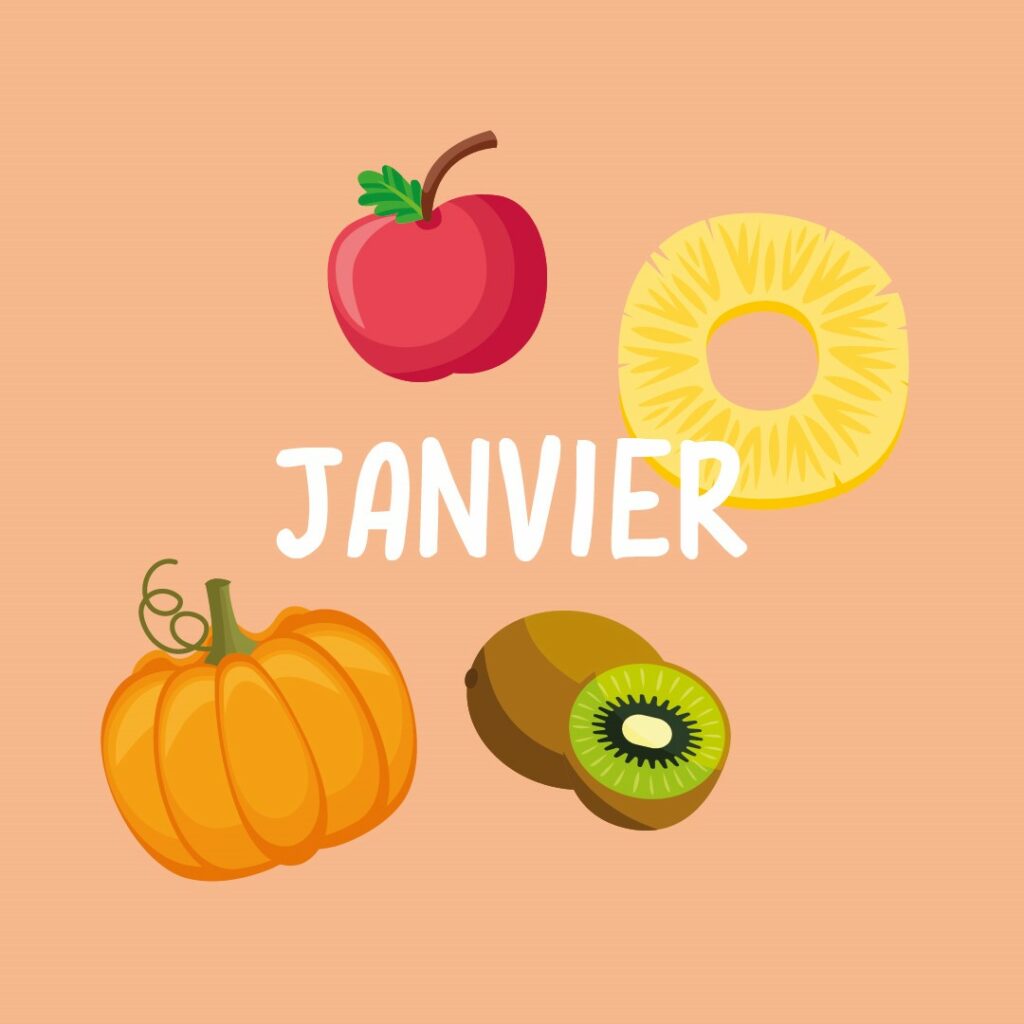
January

Seasonal fruits and vegetables for January for baby's healthy meals

Fruits

  • Pineapple
  • Lawyer
  • Lemon
  • Clementine
  • Grenade
  • Khaki
  • Kiwi
  • Litchi
  • Mandarin
  • Orange
  • Grapefruit
  • Papaya
  • Pear
  • Apple

Vegetables

  • Carrot
  • Celery
  • Celeriac
  • Red cabbage
  • Brussels sprouts
  • Pumpkin
  • Endive
  • Spinach
  • Turnip
  • Parsnip
  • Leek
  • Potato
  • Salsify
  • Jerusalem artichoke

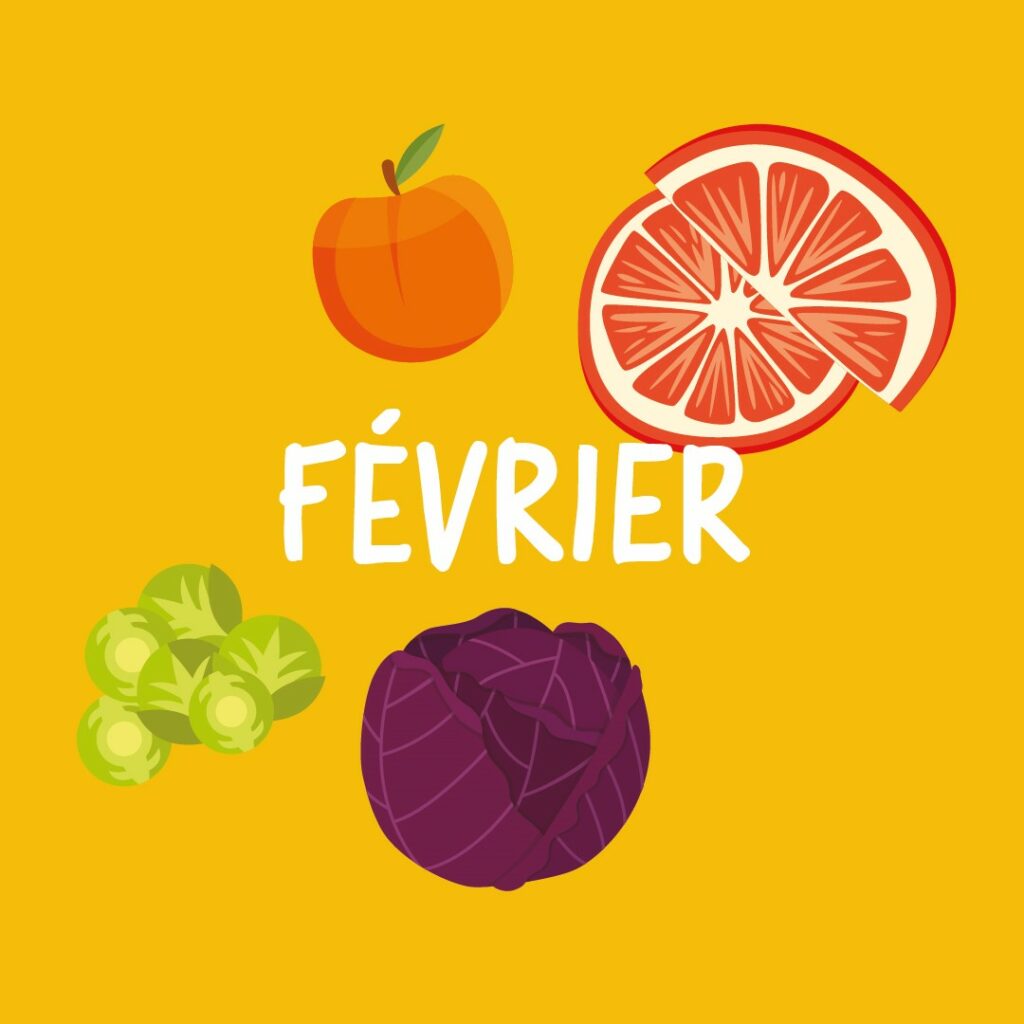
FEBRUARY

Fruits

  • Pineapple
  • Lawyer
  • Lemon
  • Clementine
  • Kiwi
  • Litchi
  • Mandarin
  • Mango
  • Orange
  • Grapefruit
  • Papaya
  • Pear
  • Apple

Vegetables

  • Beet
  • Carrot
  • Celery
  • Celeriac
  • Red cabbage
  • Brussels sprouts
  • Pumpkin
  • Endive
  • Fennel
  • Turnip
  • Leek
  • Potato
  • Salsify
  • Jerusalem artichoke
In February, seasonal fruits and vegetables include cabbage, peas, citrus fruits, and apples.

March

Avocado, banana, leek and cabbage are the seasonal fruits & vegetables of March.

Fruits

  • Pineapple
  • Lawyer
  • Banana
  • Lemon
  • Passion fruit
  • Kiwi
  • Mango
  • Orange
  • Grapefruit
  • Papaya
  • Pear
  • Apple

Vegetables

  • Beet
  • Carrot
  • Celery
  • Celeriac
  • Cauliflower
  • Kohlrabi
  • Red cabbage
  • Brussels sprouts
  • Endive
  • Spinach
  • Turnip
  • Leek
  • Salsify
  • Jerusalem artichoke

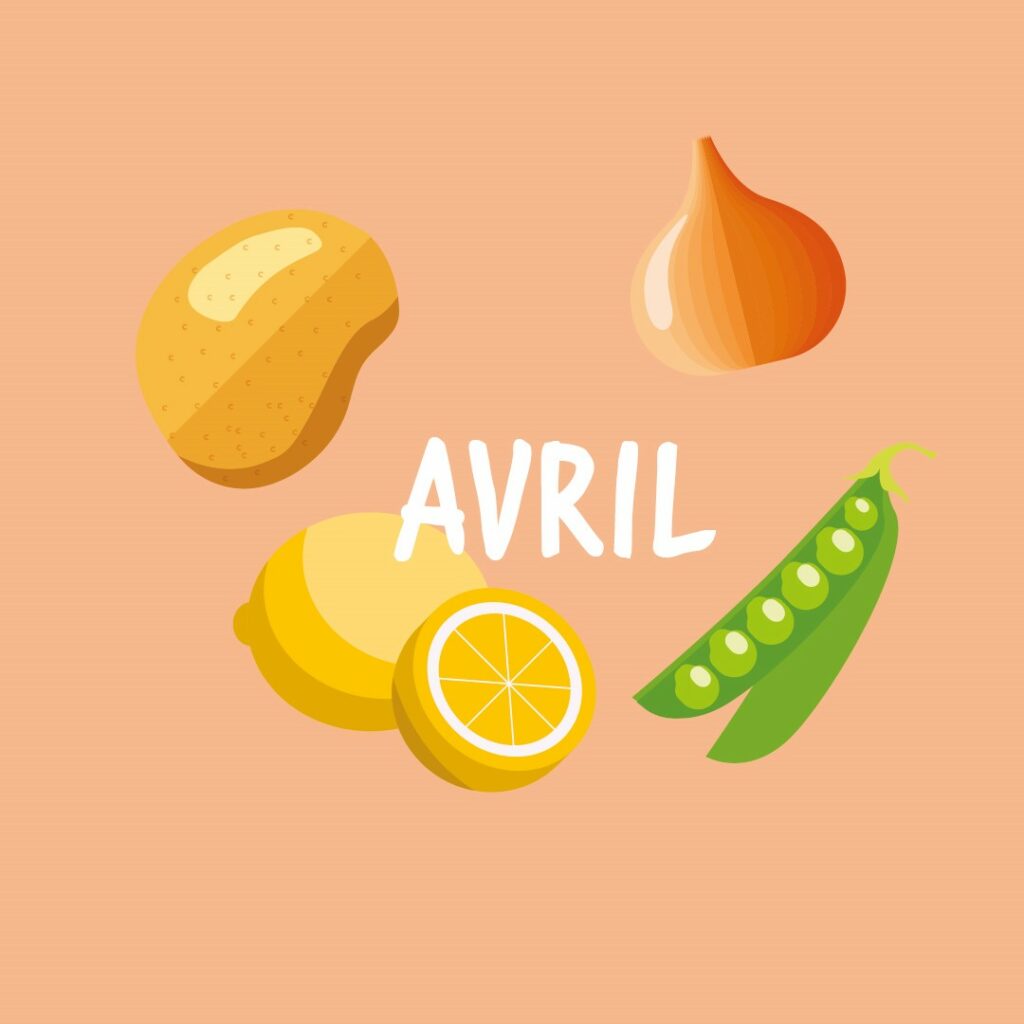
April

Fruits

  • Lemon
  • Strawberry
  • Kiwi
  • Orange
  • Grapefruit
  • Apple
  • Rhubarb

Vegetables

  • Asparagus
  • Carrot
  • Mushrooms
  • Cauliflower
  • Kohlrabi
  • Red cabbage
  • Endive
  • Spinach
  • Turnip
  • Peas
  • Leek
  • Potato
  • Radish
In April, we also eat seasonal fruits and vegetables!

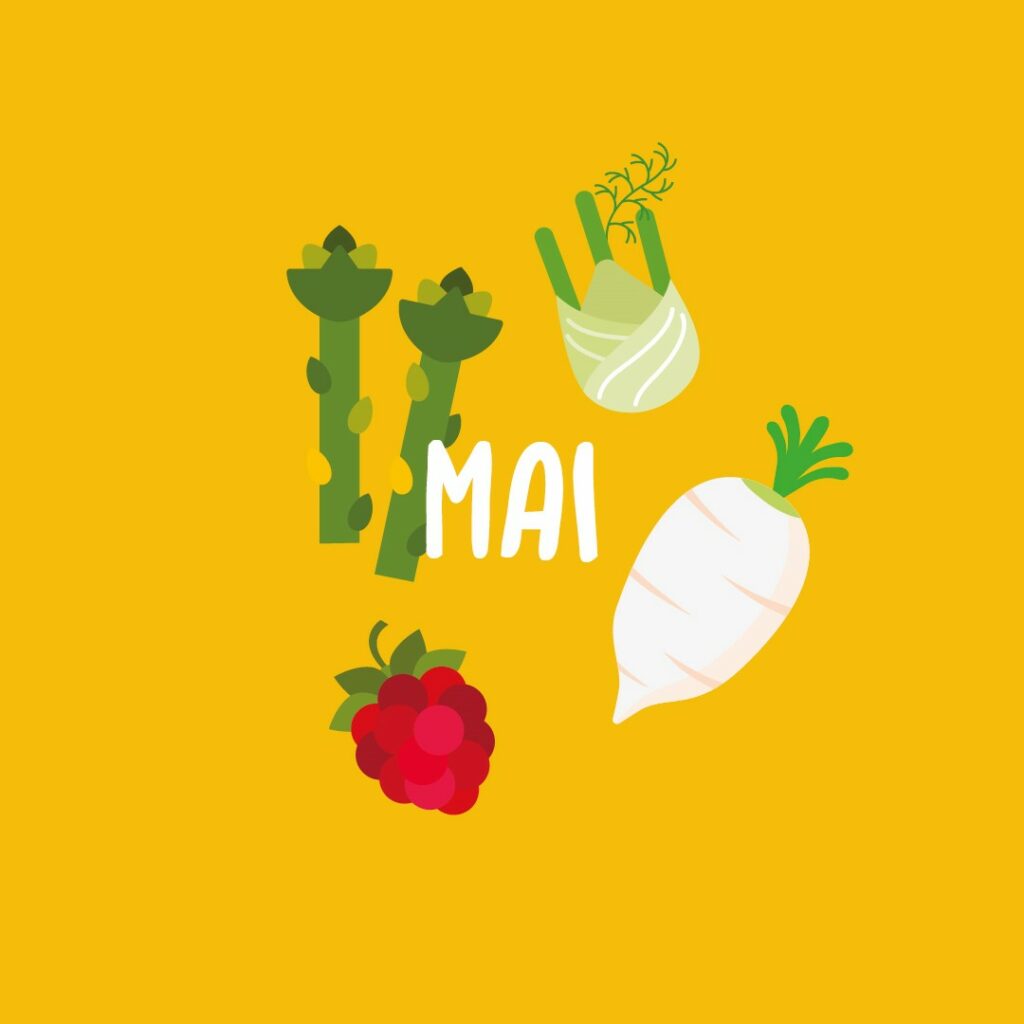
May

In May, do as you please. But make sure your baby tastes seasonal fruits and vegetables!

Fruits

  • Cherry
  • Strawberry
  • Raspberry
  • Rhubarb

Vegetables

  • Artichoke
  • Asparagus
  • Eggplant
  • Beet
  • Carrot
  • Cucumber
  • Zucchini
  • Spinach
  • Fennel
  • Bean
  • Turnip
  • Peas
  • Potato
  • Radish

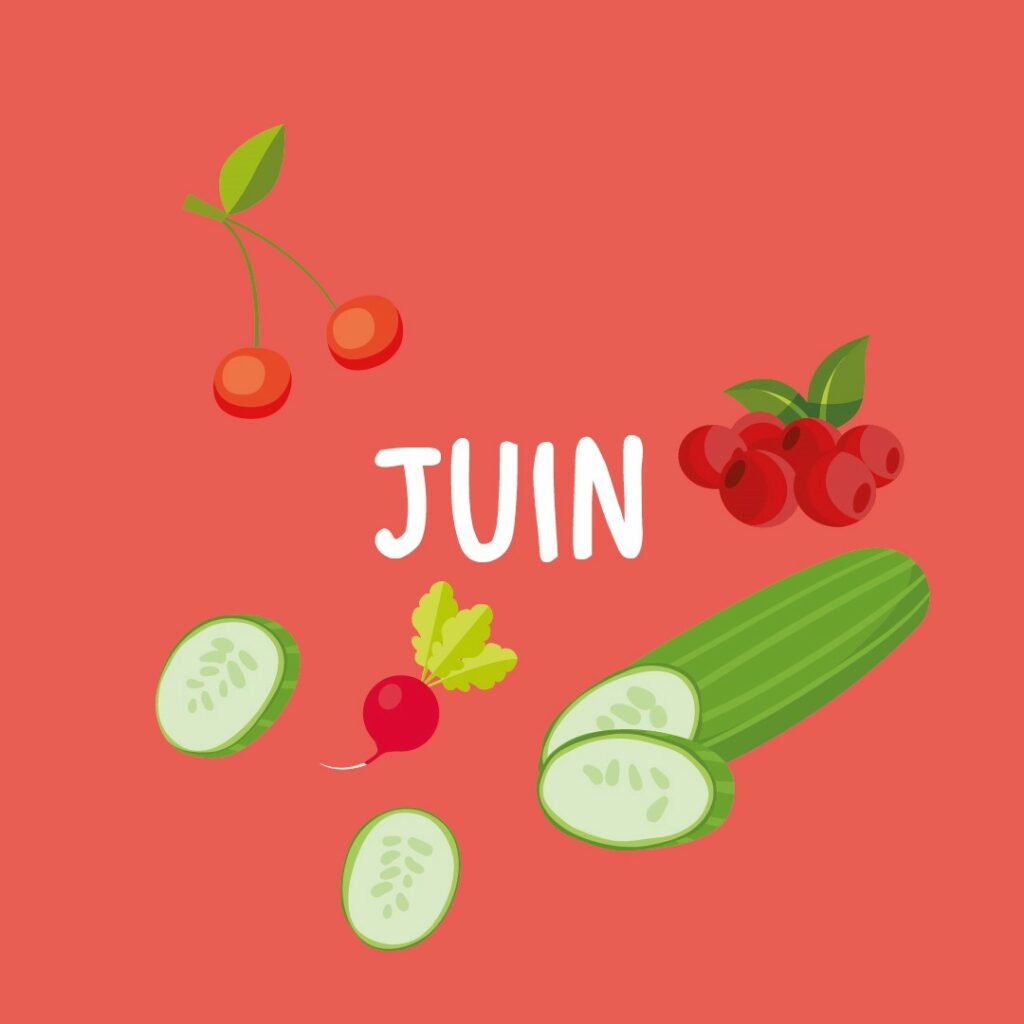
June

Fruits

  • Apricot
  • Blackcurrant
  • Cherry
  • Strawberry
  • Raspberry
  • Currant
  • Melon
  • Apple
  • Rhubarb

Vegetables

  • Artichoke
  • Eggplant
  • Beet
  • Broccoli
  • Carrot
  • Kohlrabi
  • Cucumber
  • Zucchini
  • Spinach
  • Fennel
  • Bean
  • Turnip
  • Peas
  • Bell pepper
  • Potato
  • Radish
  • Tomato
Water-rich fruits and vegetables return in June!

July

Discover the delicious flavors of July's fruits & vegetables.

Fruits

  • Apricot
  • Blackcurrant
  • Cherry
  • Fig
  • Strawberry
  • Raspberry
  • Currant
  • Melon
  • Blueberry
  • Mirabelle
  • Nectarine
  • Watermelon
  • Fishing
  • Apple
  • Plum

Vegetables

  • Artichoke
  • Asparagus
  • Eggplant
  • Broccoli
  • Carrot
  • Mushroom
  • Cucumber
  • Zucchini
  • Fennel
  • Bean
  • But
  • Turnip
  • Peas
  • Leek
  • Bell pepper
  • Potato
  • Radish
  • Tomato

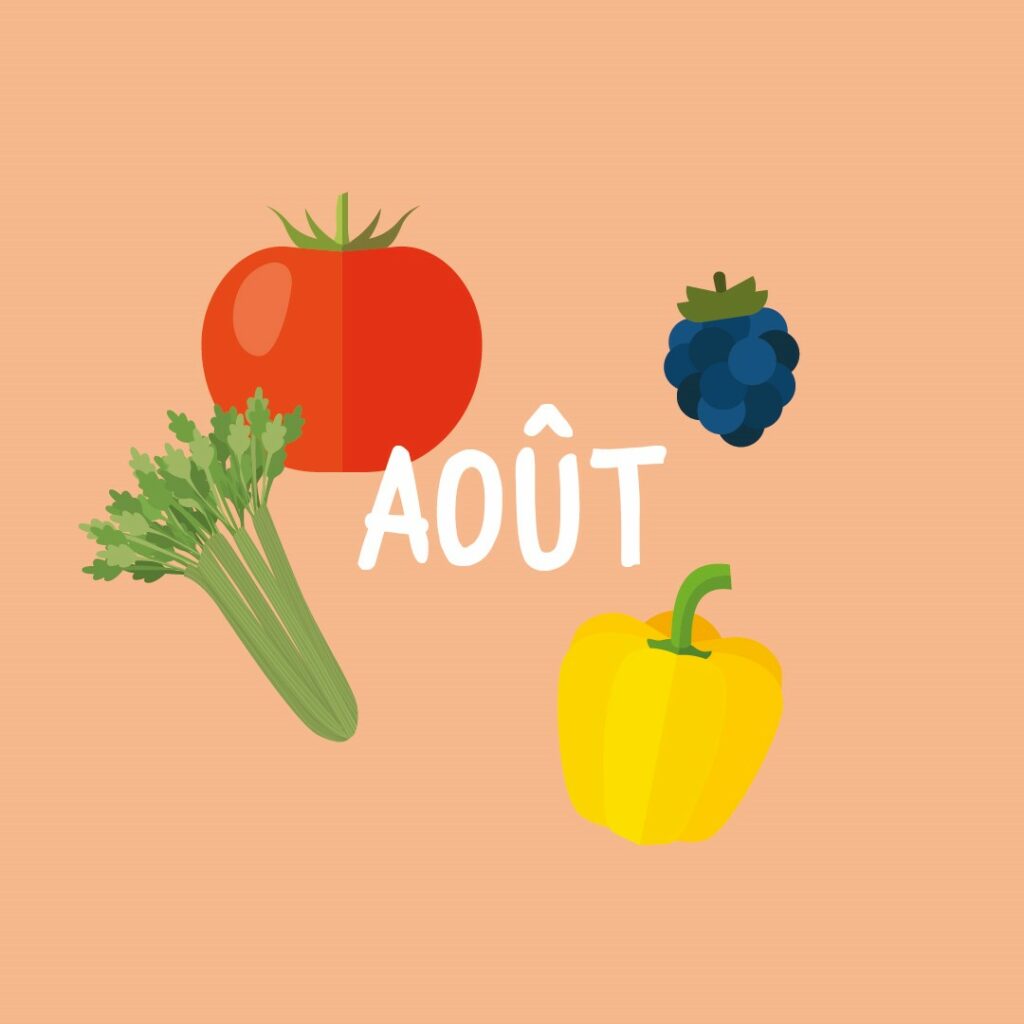
August

Fruits

  • Apricots
  • Blackcurrant
  • Fig
  • Strawberry
  • Raspberry
  • Currant
  • Melon
  • Mirabelle
  • Blackberry
  • Blueberry
  • Nectarine
  • Hazelnut
  • Watermelon
  • Fishing
  • Pear
  • Apple
  • Plum
  • Prune

Vegetables

  • Artichoke
  • Eggplant
  • Beet
  • Broccoli
  • Carrot
  • Celery
  • Cucumber
  • Zucchini
  • Spinach
  • Fennel
  • Bean
  • But
  • Leek
  • Bell pepper
  • Potato
  • Radish
  • Tomato
August fruits and vegetables are naturally sweet, let baby enjoy them!

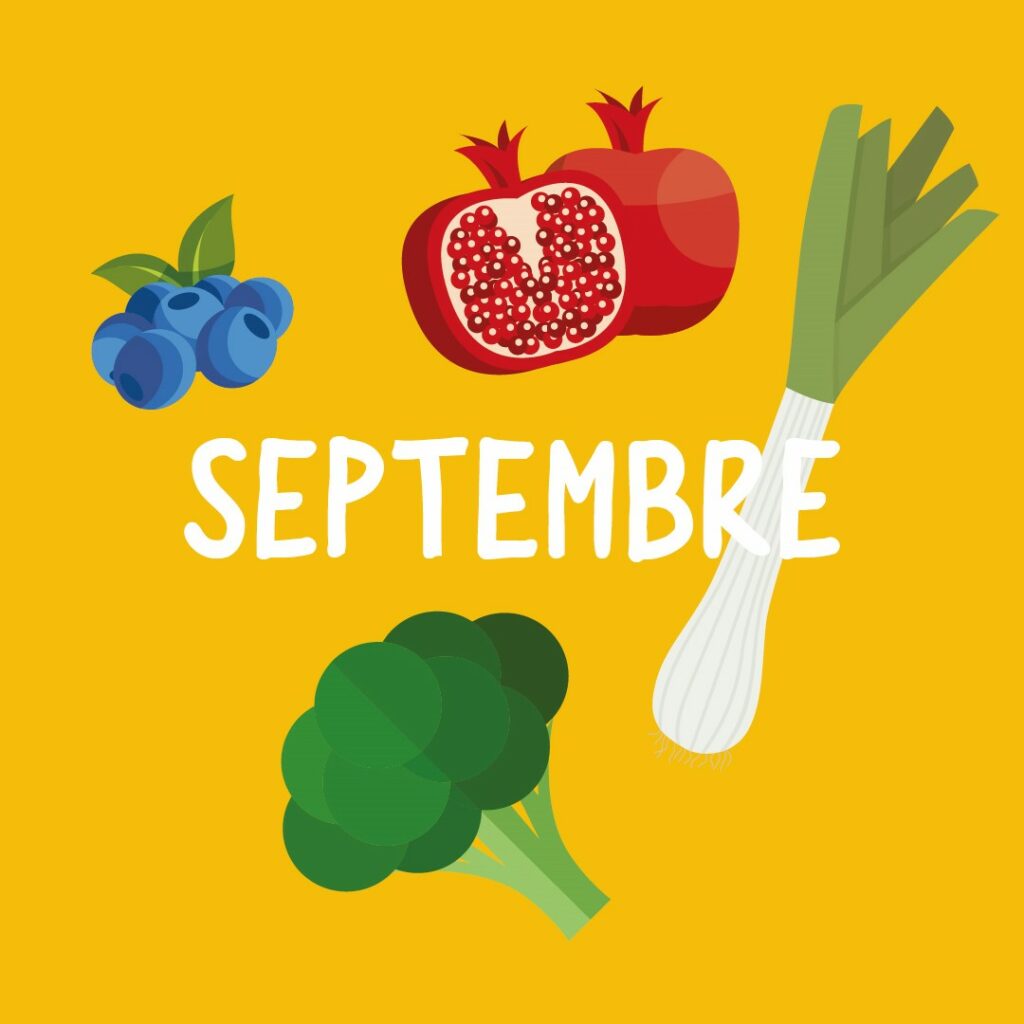
September

The summer fruits and vegetables are coming to an end, enjoy them while you still can!

Fruits

  • Chestnut
  • Quince
  • Fig
  • Raspberry
  • Grenade
  • Hazelnut
  • Melon
  • Mirabelle
  • Blackberry
  • Blueberry
  • Grapefruit
  • Fishing
  • Pear
  • Apple
  • Plum
  • Prune
  • Grapes

Vegetables

  • Artichoke
  • Eggplant
  • Beet
  • Chard
  • Broccoli
  • Carrot
  • Celery
  • Mushroom
  • White cabbage
  • Cauliflower
  • Kohlrabi
  • Brussels sprouts
  • Cucumber
  • Squash
  • Zucchini
  • Spinach
  • Fennel
  • Bean
  • But
  • Turnip
  • Leek
  • Bell pepper
  • Potato
  • Radish
  • Tomato

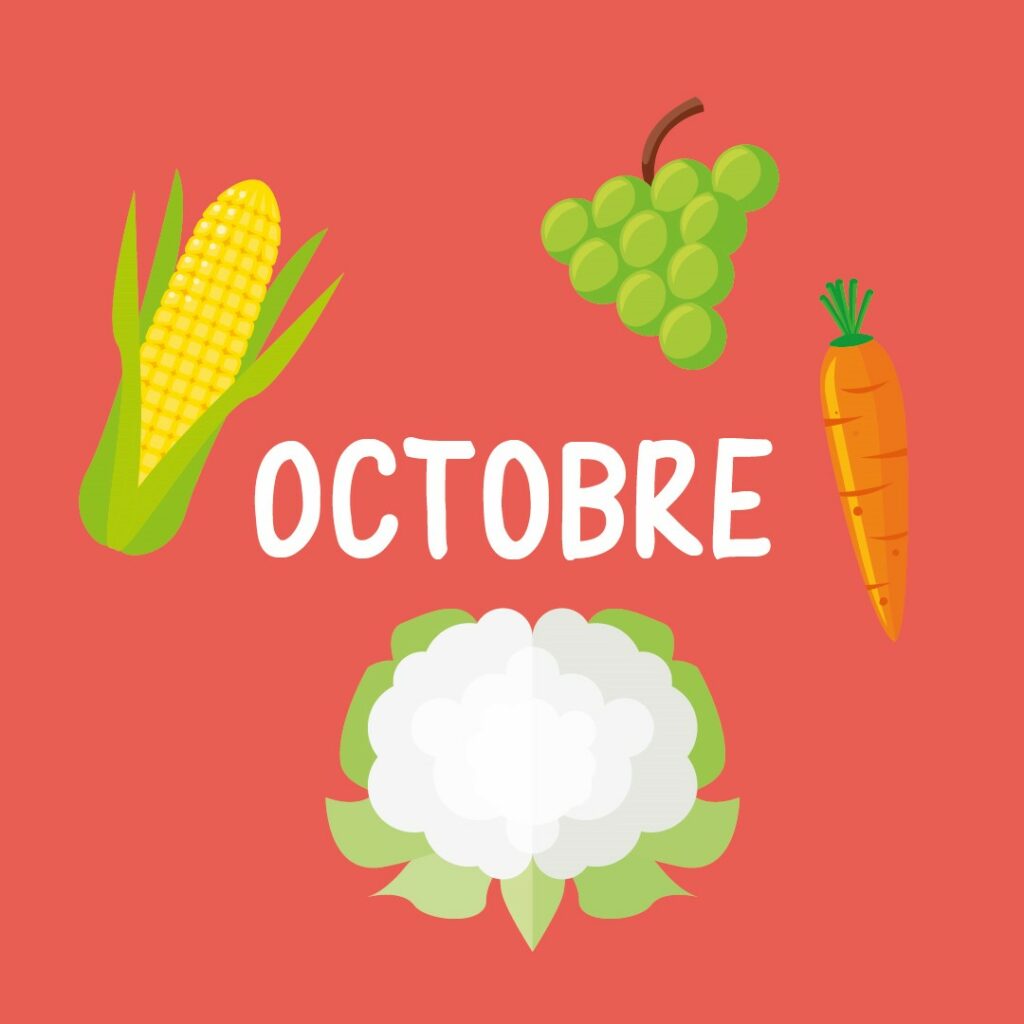
October

Fruits

  • Quince
  • Fig
  • Grenade
  • Khaki
  • Hazelnut
  • Nut
  • Apple
  • Grapefruit
  • Pear
  • Grapes

Vegetables

  • Eggplant
  • Beet
  • Broccoli
  • Celery
  • Carrot
  • Mushroom
  • Cauliflower
  • Kohlrabi
  • Brussels sprouts
  • Cucumber
  • Squash
  • Zucchini
  • Endive
  • Spinach
  • Fennel
  • Bean
  • But
  • Turnip
  • Parsnip
  • Leek
  • Bell pepper
  • Potato
  • Radish
Prioritize seasonal fruits and vegetables so that baby can discover their true taste.

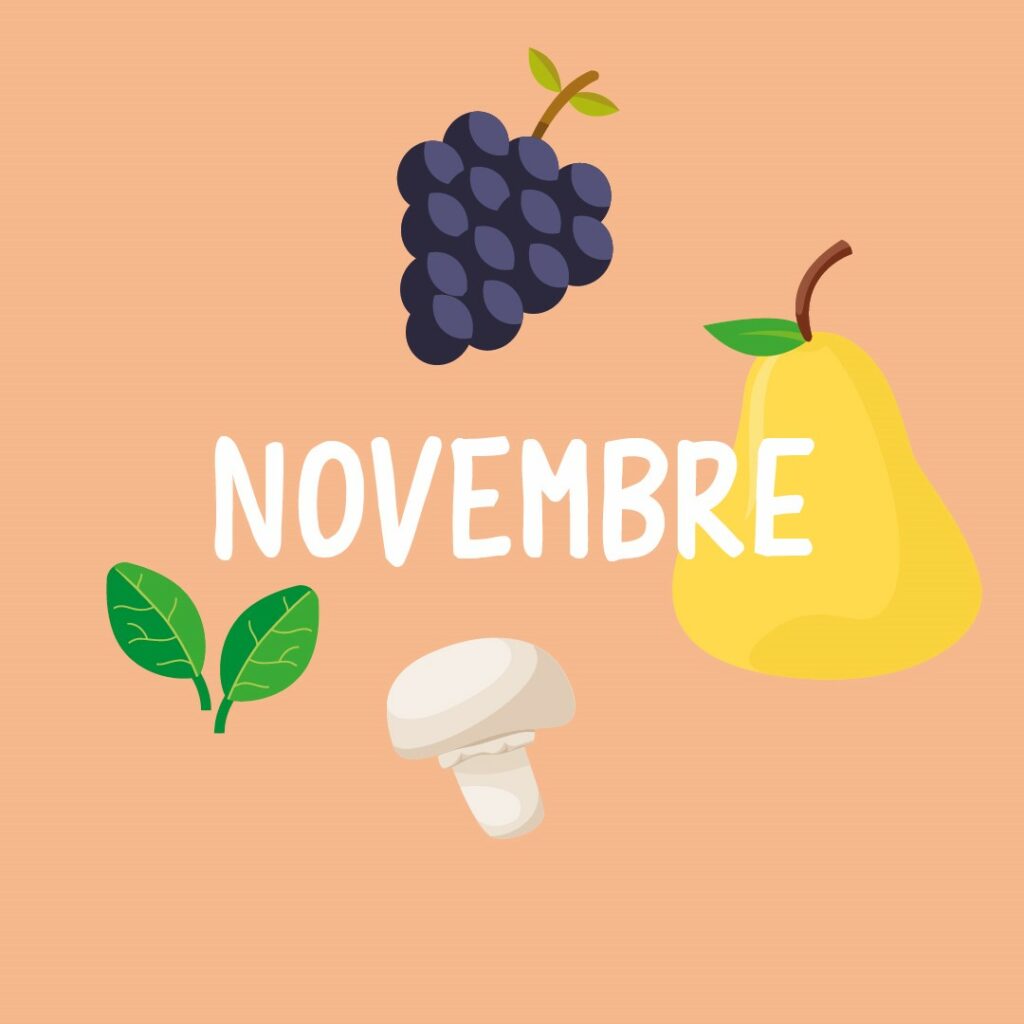
November

In BLW , baby can discover the true taste of seasonal fruits and vegetables.

Fruits

  • Pineapple
  • Chestnut
  • Quince
  • Grenade
  • Khaki
  • Kiwi
  • Nut
  • Mandarin
  • Orange
  • Grapefruit
  • Pear
  • Apple
  • Grapes

Vegetables

  • Beet
  • Broccoli
  • Carrot
  • Celery
  • Mushroom
  • Cauliflower
  • Brussels sprouts
  • Squash
  • Endive
  • Spinach
  • Fennel
  • Bean
  • Turnip
  • Pumpkin
  • Potato
  • Parsnip
  • Leek
  • Salsify
  • Jerusalem artichoke

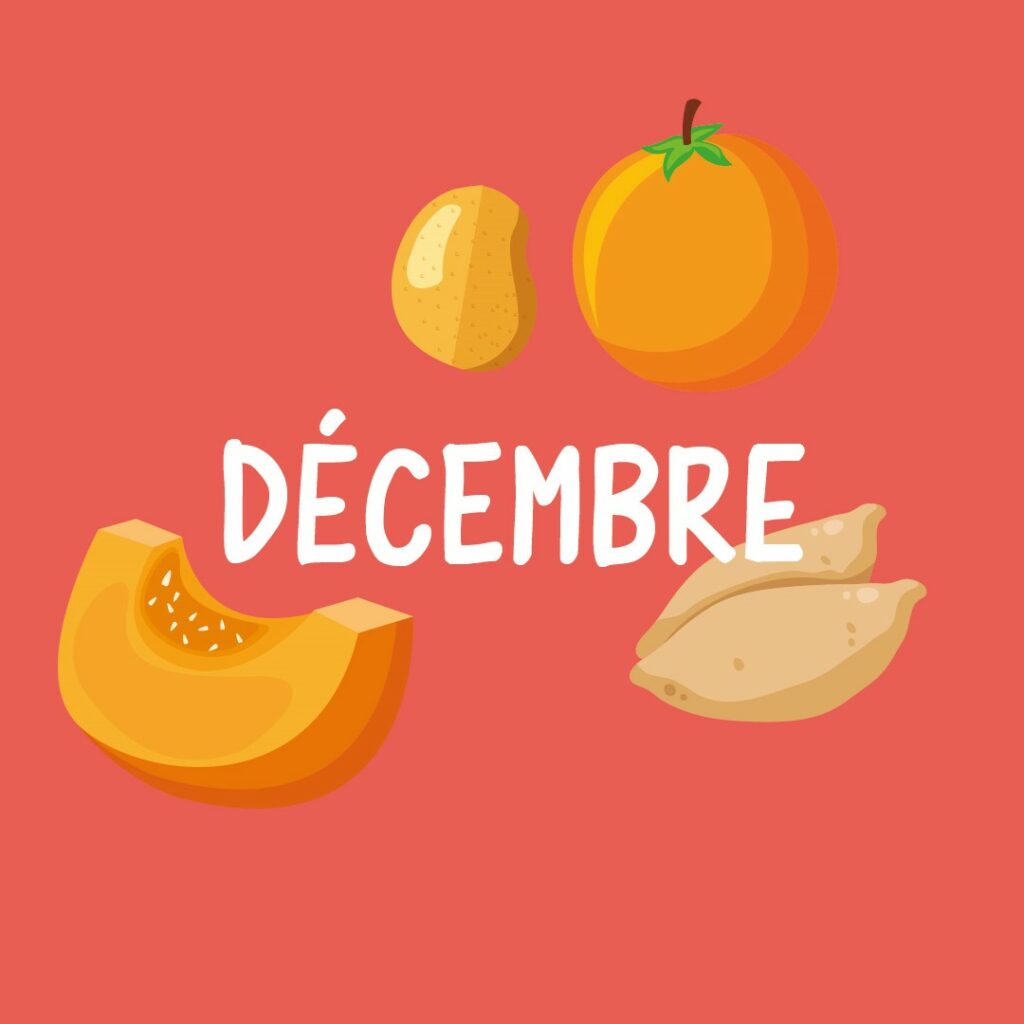
December

Fruits

  • Pineapple
  • Lemon
  • Clementine
  • Kiwi
  • Mandarin
  • Orange
  • Grapefruit

Vegetables

  • Beet
  • Carrot
  • Celery
  • Celeriac
  • Cauliflower
  • Red cabbage
  • Brussels sprouts
  • Squash
  • Endive
  • Spinach
  • Turnip
  • Parsnip
  • Leek
  • Potato
  • Pumpkin
  • Salsify
  • Jerusalem artichoke
In December, we find seasonal fruits and vegetables rich in vitamins!

2 responses

Let a comment

Your email address will not be published. Mandatory fields are indicated with *

Having started purees at 4 months and wanting to start BLW from 6 months is quite possible. Or you are wondering how breast / infantile milk and BLW combined.

Need help getting started?

Receive our guide in PDF format to print. You will find there:

By registering, you agree to receive from BLW Bébé informative emails on nutrition, advice, revenues, promotions and information on food diversification.