During the first few months of life, a baby is fed with breast milk or formula. We can say that their taste buds are very limited. Traditional weaning and BLW (Breast Milk and Egg White) will help develop this wider range of tastes!
The discovery of taste
Did you know? The discovery of taste begins long before the introduction of solid foods by the child! It all starts in the womb . The baby is nourished by amniotic fluid . Depending on what the mother eats, the taste and smell of this fluid can vary .
From birth, a baby's diet will consist solely of breast milk or formula. The flavor of breast milk can also vary depending on what the mother eats before breastfeeding.
Then, it is possible to introduce baby to a wide range of flavors around the age of 4 months by starting classic weaning with smooth textures such as vegetable purees, seasonal fruit compotes, etc.
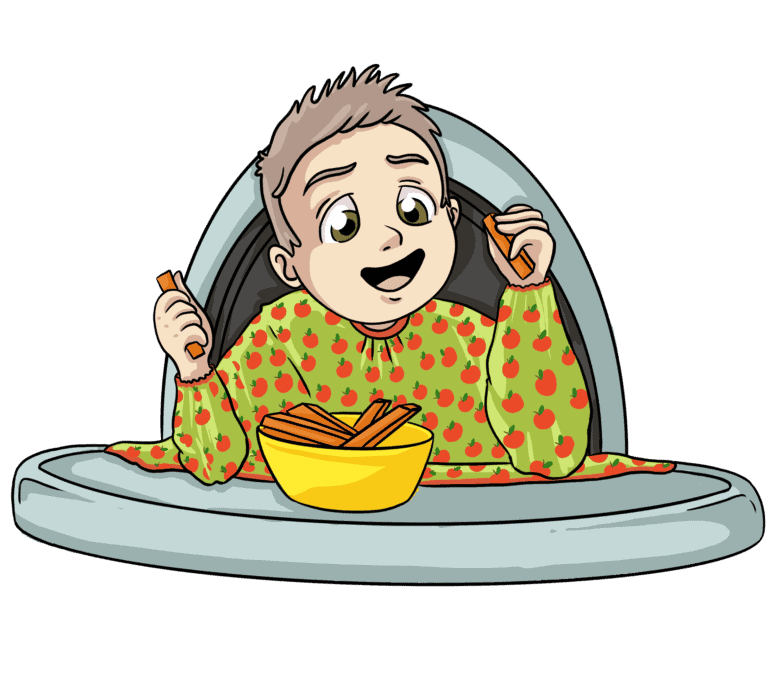
Finally, from the age of 6 months , your little one will discover the true taste of food in its raw form thanks to baby-led weaning . They will rediscover these flavors in delicious recipes prepared with love .
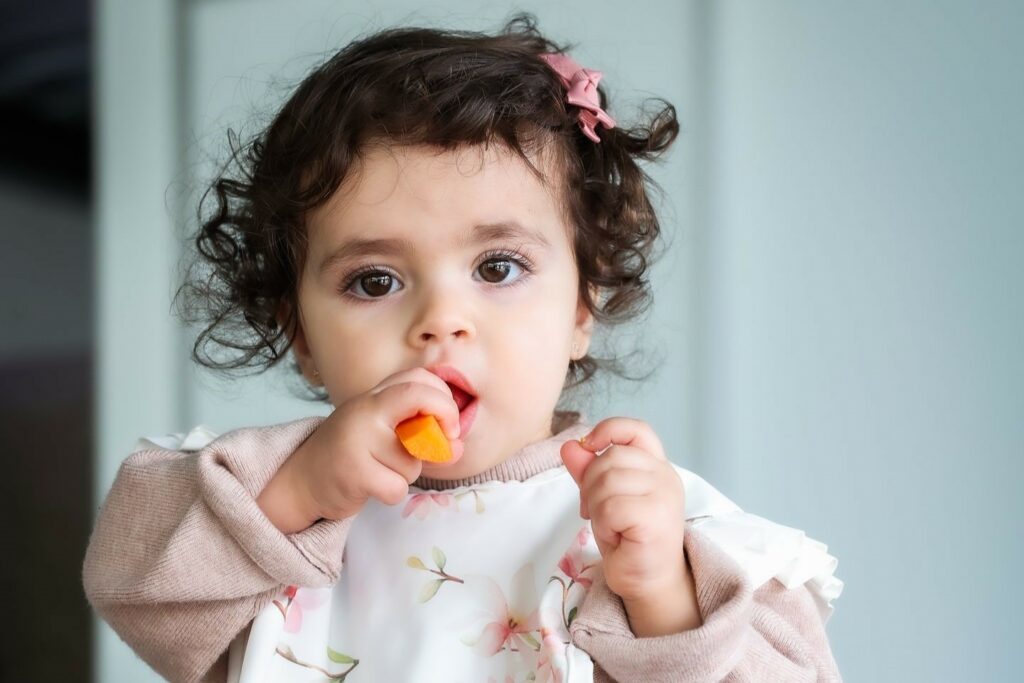
The development of baby's taste buds and BLW
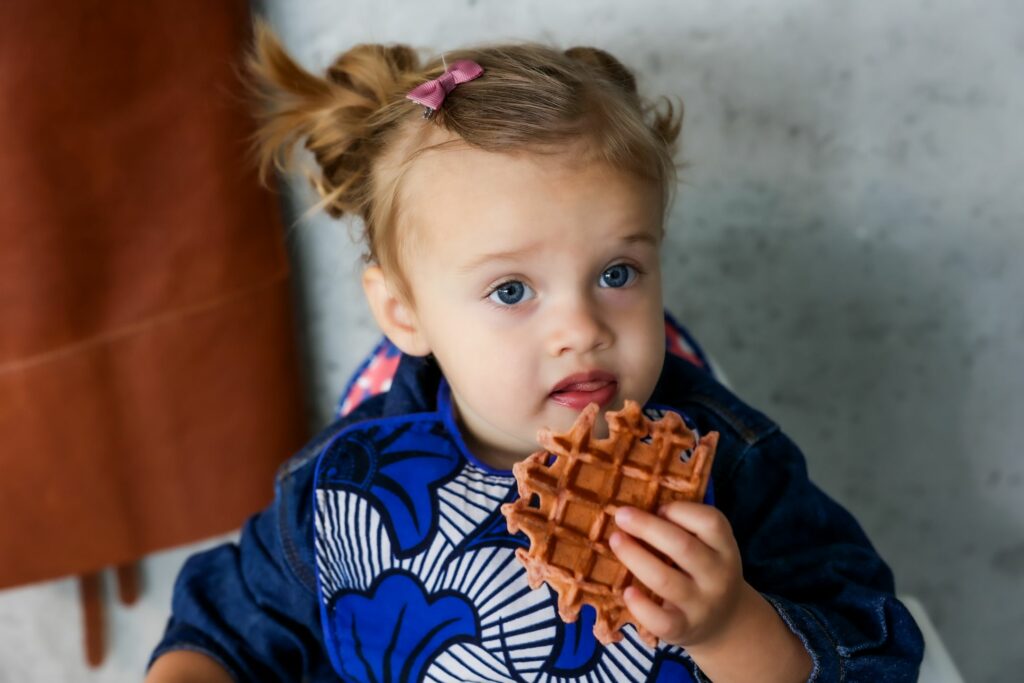
sense of taste continues to develop alongside their child throughout childhood. Indeed, during the first two years of life, a baby's food preferences evolve rapidly .
Introducing babies new foods quite simple up to 18 months . Your little one is always eager for a new food, texture, or shape on their plate. This positive experience is created, among other things, by a pleasant atmosphere during family mealtimes .
Baby-led weaning is an excellent way to develop palate to its fullest potential before 18 months. Indeed, babies begin exploring foods in their raw form, using all five senses . Only later will your little one be able familiar flavors in different forms and textures in a variety of recipes . Think carrots in pancakes, zucchini in muffins, bananas in cakes, or pears in semolina. We can safely say that your baby's taste buds will be stimulated during mealtimes.
Food neophobia
Between 18 and 24 months , food neophobia can appear during mealtimes. But what exactly is it? Food neophobia is a child's sudden reluctance to eat a new food on their plate. This behavior can be surprising, especially when the baby has been discovering new foods daily since starting baby-led BLW at 6 months.
This developmental stage can lead to a change in your little one's behavior during mealtimes. Baby will take longer to eat their food and, more importantly, to discover the new food of the day. Sometimes, the food will remain on their plate, as baby will try not to eat it.
This phase of your baby's development can be quite frustrating, but it's by no means a tantrum or a reason to upset you. All you can do is use a few simple tricks to get your baby to eat the new food without resistance. Don't ask them to eat it all, but simply to taste a tiny bit .
At mealtimes, several techniques can be used. First, you can let your baby explore the new food using all five senses . Your little one can handle the food to get to know it better before tasting it. Next, you can pair the new food with one that your baby knows and likes to encourage them to try it. Finally, you can use imitation at the table. By letting each family member taste the new food, your baby will be more inclined to try it themselves.
To encourage your baby to eat , you can also involve them in meal preparation . This way, your little one can discover the food in the kitchen and then find it on their plate later.
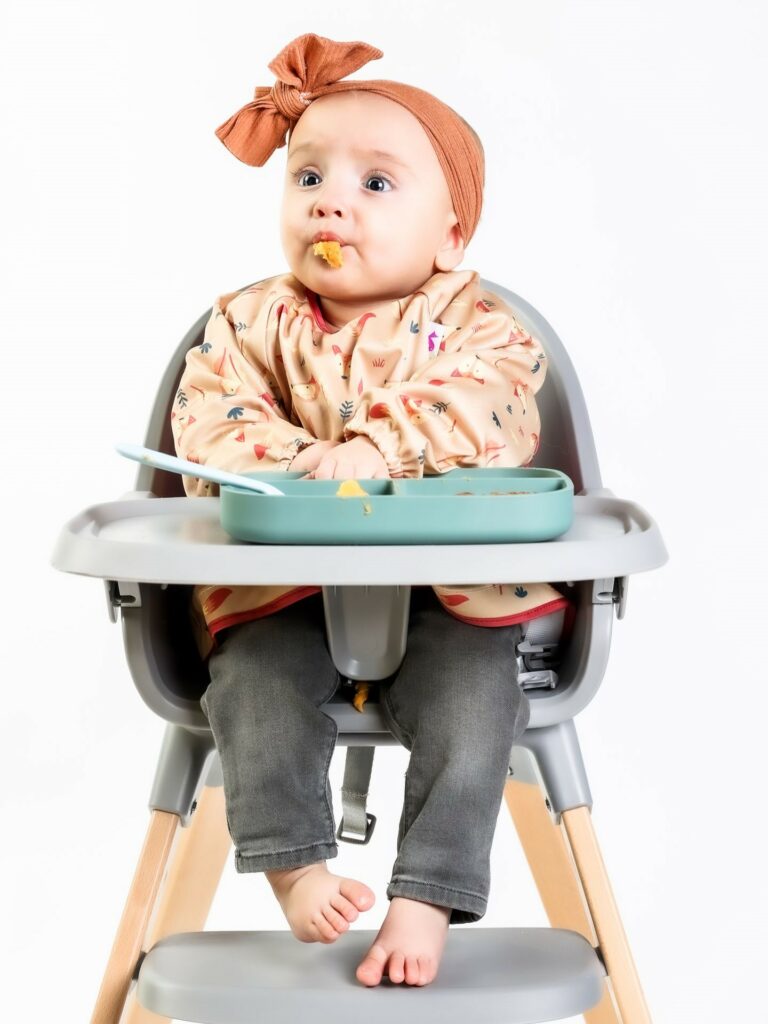
From the very beginning of baby-led weaning BLW , expand your baby's palate by offering a variety of foods in different shapes and textures. Food neophobia creeping in during mealtimes? Take a deep breath, it's just a phase. Your little one will continue to explore new flavors without any worries.
Photo: © Lune et l'autre
An answer