Animal proteins areessentialfor our bodies, and therefore for babies' bodies.They areexcellent sources of proteinand provideiron,vitaminB12,andomega-3 fatty acids:nutrients that are very important for a child's growth.Animal proteins include meat, fish, and eggs.
When can animal proteins be introduced into a baby's diet?
From the startof the child-led weaning process, it will be important to introducesmall amountsof animal protein into their diet,adapting the texturesandform of presentation.
Animal proteins are the foods that raise the most questions when starting to introduce solid foods, why?
Simply because:
Textureoften poses a problem;
Theamountto be offered to the baby is regulated in order not to exhaust the baby's kidneys, which are still too immature to digest large quantities of animal protein.
When preparing your baby's meal, pay attention to the following recommendations from health authorities:
10g per day(i.e., 2 teaspoons of animal protein or 1/4 of an egg)before the age of 1 year;
20g per day(i.e., 4 teaspoons of animal protein or half an egg) before the age of 2 years;
30g per day(i.e., 6 teaspoons of animal protein or 1 egg) before the age of 3 years.
It's important to know thatnutritional balanceis achieved over thecourse of a week. Don't panic if you exceed the recommended portions in a single day! It's much easier to adjust their menu over a week than on a daily basis. If your baby eats a little more animal protein one day, reduce the amount the next.
During breast milk feeding BLW , it's ideal to vary the different sources of animal protein in your baby's diet as much as possible. We often tend to eat too much meat compared to our needs. The recommendations for varying animal protein over a week are as follows:
meat-based meals;
fish-based meals;
egg-based meals.
Also consider legumes,which are a great plant-based alternative providing just as much iron for your baby!
A point to consider regarding animal proteins in a baby's diet
The different animal proteins willalways be offeredwell-cooked.
From a microbiological perspective,raw meat,raw fish,andraworundercookedarerisky foods.They should beavoidedin a baby's dietuntil the age of 4.
Let every age experience the joy of discovering new flavors. Carpaccio, tartare, smoked salmon, sushi, soft-boiled or boiled eggs, etc., will awaken a baby's taste buds after the age of 4.
Meats in BLW
From the start ofBLW, you can offer your babywhiteorredsuch as pork, chicken, turkey, duck, beef, etc. However, we advise you tostartwithmilder-tasting meatssuch as beef, chicken, and veal.
It is also advisableto avoid processed meats,which offer no nutritional value for babies and are often high insalt, additives, and saturated fats. Furthermore, processed meats are among the raw meats that should be absolutely avoided before the age of four.
Cooked ham can be offered to the baby occasionally during meals.
How to introduce meat to a baby?
To introduce a baby to the true taste of different meats, it is perfectly possible to offer themwell-cooked slices of meator evencooked meatballs.
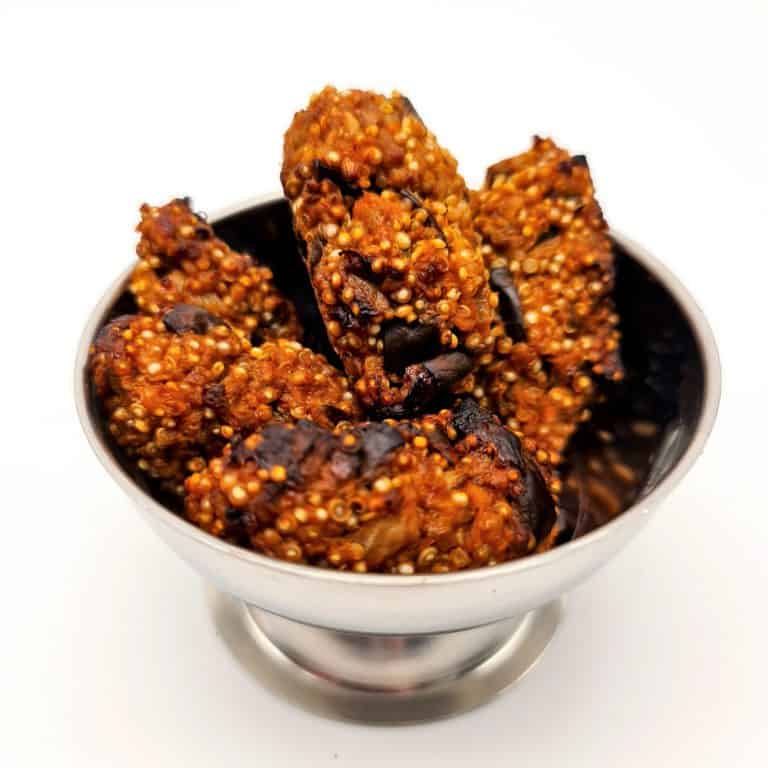
After theBLWBreast-Led Weaning) phase, you can introduce meat to your baby in delicious homemade recipes. Choosemelt-in-your-mouthmeat-based recipes that your baby can easilyeatwithout teeth,such asmeatballs,cakes, orkefta.
When baby mastersthe "pincer"formed with his thumb and forefingerto grasp food, you can offer him the meat insmall, melting piecesdirectly on his plate.
From the start ofBLW, you can offerwell-cooked,bonelessto your little one, such as salmon, cod, sole, etc.
One of the two fish-based meals during the week should be prepared with a fish high in omega 3 such as mackerel, herring, trout or sardines.
It is strongly advisedto avoid fishthat may containheavy metals,such as eel, carp, monkfish, sea bass, sea bream, etc.Tunais a fish with a high mercury content; it can be offeredto babiesin moderation
How to offer fish to a baby?
From the start ofBLW, it will be possible to introduce your little one to the true taste of fish by offering itwell cookedandin the form of large stripsor inballs made of pureeif the fish is too brittle.
After theinitial exploration phase, you can introduce fish to your baby in delicious homemade recipes. Opt for melt-in-your-mouth dishes like fishballs,fish sticks, ormuffins. You can also offer fish as aspread, presented in acarrieror using apre-filled spoon.
From the startof child-led weaning, you can offer eggs to your baby. However, thisintroductioninto your baby's diet must be donecarefully and cautiously,as eggs are among the 14major allergens.
Eggs on a baby's plate can be in the form of anomeletor ahard-boiled egg. They can also be incorporated into homemade meal or snack recipes after the initial exploration phase.
What can I use instead of the egg?
Eggs are often akey ingredientin recipes such as flans, cakes, and cookies. It's therefore important to limit egg intake to avoid straining a baby's still-developing kidneys.
55g ofapple compotefor muffin, cake or pancake recipes;
1mashed bananafor snack preparations;
60g ofyogurtto replace beaten egg in recipes;
3 tbspof aquafaba(chickpea juice) to replace a whole egg;
2 tbspof aquafabato replace one egg white. Perfect for recipes requiring whipped egg whites such as meringues or homemade mayonnaise;
1 tbsp offlax seeds(15 ml) mixed with 2 tbsp of water (30 ml) for recipes requiring a raising agent. Only suitable for recipes containing 1, 2 or a maximum of 3 eggs;
50g oftofufor recipes requiring a large quantity of eggs or recipes needing a raising or binding agent. Note that tofu is made from soy, an allergen;
1 tbsp ofchia seedsin 5 tbsp of water for recipes requiring a binding agent such as muffins, cakes, etc. Let the mixture rest until it is firm;
3 tbsp ofchickpea flourin 3 tbsp of water for savory preparations such as omelets, quiches, etc.




2 answers